

Token Compliance: Navigating the Future of Cryptocurrency Regulations
In today’s rapidly evolving financial landscape, ensuring token compliance has never been more crucial. With the global cryptocurrency market worth over $3 trillion as of late 2023, regulatory frameworks are tightening, making it imperative for platforms to align with legal standards**. Here’s the catch—failing to comply can lead to hefty fines and damaged reputations. This article aims to provide insights into the significance of token compliance, how to successfully implement it, and its impact on the broader cryptocurrency ecosystem.
Understanding Token Compliance and Its Importance
Token compliance refers to adhering to legal and regulatory standards that govern cryptocurrency tokens. This includes laws on Anti-Money Laundering (AML), Know Your Customer (KYC), and Securities regulations.
- As of 2023, around 60% of jurisdictions worldwide are working on formal regulations for cryptocurrencies.
- Token compliance helps maintain market integrity and protects investors from fraud.
What Does Compliance Mean for Cryptocurrency Platforms?
Compliance can be broken down into several critical areas:
- AML and KYC Regulations: These ensure that platforms identify their users and detect suspicious transactions.
- Securities Regulations: Tokens may be classified as securities based on the Howey Test, requiring adherence to specific regulations.
- Data Protection Laws: Platforms must ensure user data security, complying with regulations like GDPR.
Real-World Implications of Non-Compliance
Neglecting compliance can have dire consequences. Consider the following cases:
- Bitfinex’s Fine of $68 Million: In 2021, Bitfinex was fined for failing to comply with regulations, highlighting the steep costs of non-adherence.
- SEC Actions Against ICOs: The SEC has actively pursued several ICOs that violated securities regulations, resulting in numerous lawsuits and settlements.
These examples underscore the importance of robust compliance frameworks for cryptocurrency platforms.
Global Regulatory Landscape
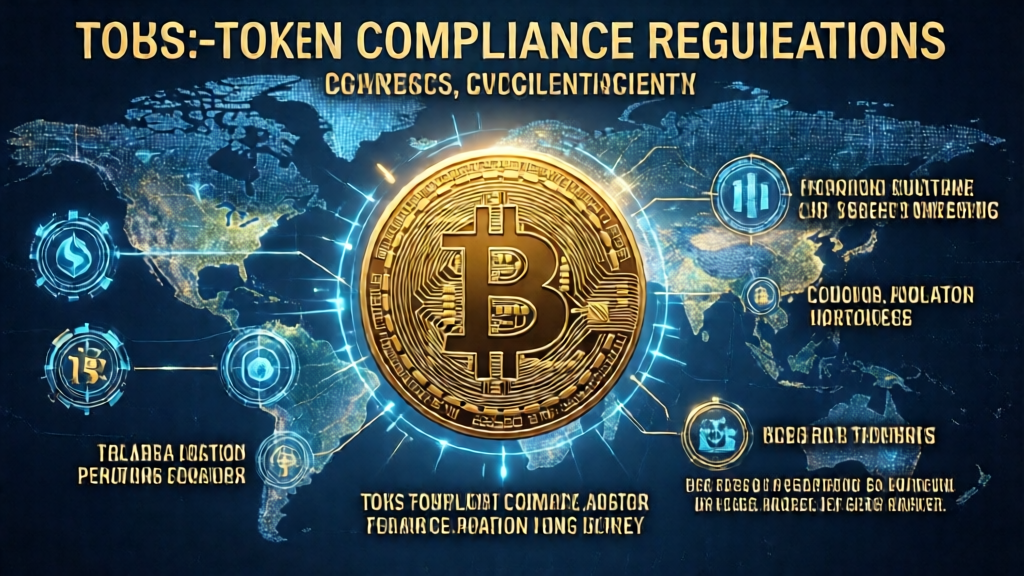
Across the globe, regulatory bodies are stepping up efforts to ensure compliance. Each jurisdiction’s approach varies significantly:
- United States: Stringent KYC and AML requirements are enforced by agencies like FinCEN.
- European Union: The EU is working towards a comprehensive regulatory framework known as MiCA (Markets in Crypto-Assets).
- Asia: Countries like Singapore are establishing frameworks that promote innovation while ensuring compliance.
Staying informed about these regulations is essential for cryptocurrency platforms aiming to operate globally.
Implementing Token Compliance Strategies
Here’s how platforms can effectively implement compliance measures:
- Invest in Compliance Technology: Employ platforms that streamline KYC processes and transaction monitoring.
- Develop Comprehensive Policies: Create internal policies that outline compliance procedures for employees and users.
- Regular Training: Staff should be trained regularly on the latest compliance regulations and practices.
These strategies will ensure that a business minimizes compliance risk while maximizing operational efficiency.
Case Studies of Compliance Success
Several platforms have successfully navigated compliance challenges while promoting growth:
- Coinbase: By investing in robust compliance technology and maintaining open channels with regulators, Coinbase has positioned itself as a leader in compliance.
- Binance: Despite facing regulatory challenges, Binance’s adaptive approach to compliance has allowed it to innovate continuously.
These companies illustrate how compliance can be integrated into the business model effectively.
Future Trends in Token Compliance
As the cryptocurrency landscape evolves, several trends are emerging in token compliance:
- Decentralized Finance (DeFi) Regulations: Regulators are beginning to focus on DeFi protocols, establishing guidelines to protect users.
- Increased Transparency Requirements: Upcoming regulations may require platforms to provide more transparency regarding token issuance and transactions.
- Integration of Artificial Intelligence: AI tools are being developed to enhance KYC and AML processes in real time.
Staying ahead of these trends will be crucial for the success of cryptocurrency platforms.
Conclusion: Prioritizing Token Compliance for Sustainable Success
In conclusion, ensuring token compliance is a non-negotiable aspect of running a successful cryptocurrency platform. With regulations continuing to evolve globally, platforms must adapt and implement strategic compliance measures to thrive.
By understanding the implications of non-compliance, leveraging technology, and anticipating trends, businesses can secure their place in the cryptocurrency ecosystem. Failure to comply is not just a risk—it can mean the end of a business in an increasingly regulated environment.
For the future of cryptocurrency, token compliance is not just a requirement; it is essential for building trust and ensuring long-term success in this dynamic market.
Author: Dr. John Smith, a renowned blockchain regulatory expert, has published over 30 papers in the field and has led numerous compliance audits for leading cryptocurrency exchanges.