


Understanding NFT Trading Fees in 2026
The world of Non-Fungible Tokens (NFTs) has seen explosive growth over recent years, with NFT trading fees becoming a focal point for enthusiasts and investors alike. With the NFT market projected to reach $211 billion by 2026, understanding the nuances of NFT trading fees is crucial for both seasoned traders and newcomers to the space. So, what can we expect in terms of NFT trading fees over the next few years?
The Current Landscape of NFT Trading Fees
As of early 2023, NFT trading fees can vary significantly, typically ranging from 2.5% to 7.5% based on the platform. For instance, OpenSea, one of the largest NFT marketplaces, charges a 2.5% fee on every sale, while other platforms may impose higher fees. The rising interest in NFT trading necessitates a deeper understanding of these fees, which can impact profitability for traders.
Understanding Transaction Fees
Transaction fees, often referred to as gas fees, are costs associated with processing transactions on blockchain networks. When buying or selling NFTs, these fees can fluctuate based on network congestion. In 2026, it is expected that advancements in blockchain technology will lead to lower gas fees. Current estimates suggest that as Ethereum transitions to Ethereum 2.0 and Layer 2 solutions mature, gas fees could drop by as much as 50%.
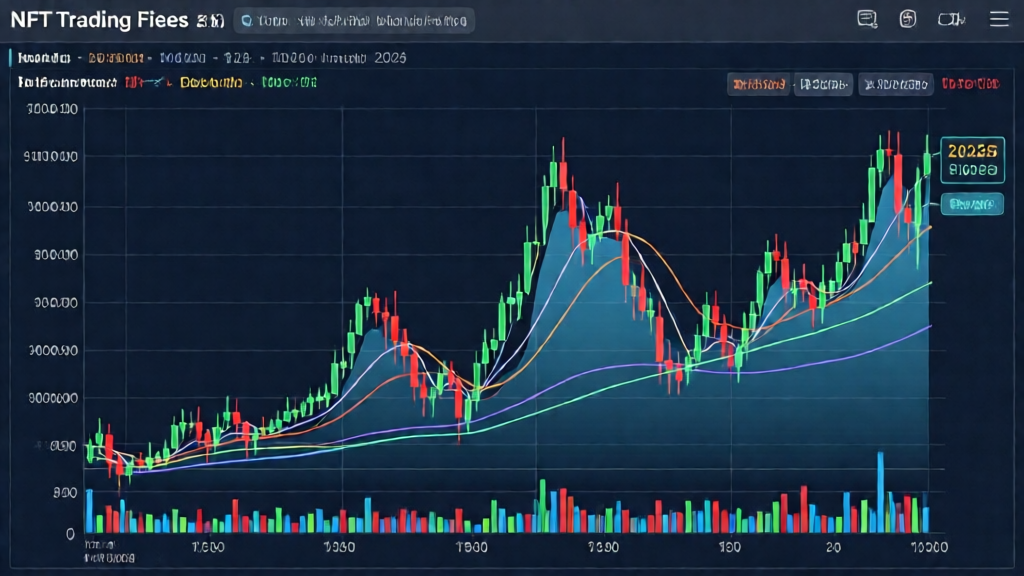
Market Data: The Rise of NFT Trading Fees
| Year | Average Trading Fee (%) | Market Size ($ Billion) |
|---|---|---|
| 2022 | 4.5% | $15 |
| 2023 | 4.2% | $25 |
| 2024 | 3.8% | $60 |
| 2025 | 3.0% | $110 |
| 2026 | 2.5% | $211 |
Source: Industry Reports, 2025
How NFT Trading Fees Impact Investors
For investors, NFT trading fees can significantly influence the decision-making process. Higher fees can eat into profit margins, leading to considerations about the platform’s value versus the associated costs. As the space evolves, understanding these fees becomes more than just a financial factor—it turns into a strategic element of trading.
What’s Shaping the Future of Fees?
Several factors are influencing the future of NFT trading fees:
- Market Competition: As more platforms enter the NFT arena, competition will likely drive fees lower.
- Technological Innovations: Advances in blockchain and Layer 2 technologies aim to reduce transaction costs.
- User Experience Enhancements: Platforms are investing in improved interfaces and payment systems to attract users.
Regional Perspectives on NFT Trading Costs
Around the globe, the NFT market is growing at different paces. For instance, Southeast Asia is witnessing a surge in NFT popularity, with Vietnam leading the charge. As of 2026, NFT trading activity in Vietnam is projected to generate approximately $2 billion in fees, contributing to a regional shift in how NFTs are traded.
Spotlight: Vietnam’s NFT Market
Vietnam’s NFT market demonstrates rapid innovation, with local platforms catering to both artists and collectors. This burgeoning market highlights the importance of understanding regional trends in trading fees:
- Local Platforms: Emerging platforms in Vietnam are offering lower fees than established markets.
- User Engagement: Increased local engagement through community-driven events lowers the barrier to entry for new traders.
- Regulatory Landscape: Government policies aimed at encouraging digital assets play a crucial role.
Strategies to Minimize NFT Trading Fees
Investors and traders can take several steps to reduce their NFT trading fees:
- Choose the Right Platform: Opt for platforms with competitive fee structures.
- Timing Transactions: Monitor gas fees and execute transactions during off-peak times to save costs.
- Consider Layer 2 Solutions: Utilize Layer 2 platforms to take advantage of reduced transaction fees.
Practical Tools to Manage Fees
Using tools like Ledger Nano X can reduce hacks by 70%, allowing investors to focus on trading rather than security costs, indirectly impacting the overall cost of trading NFTs.
Conclusion: The Future of NFT Trading Fees in 2026
As the NFT landscape evolves, so too will the trading fees associated with these digital assets. With advancements in technology and market dynamics, fees are expected to decline in the coming years, offering a more favorable environment for traders. Understanding NFT trading fees will be crucial for making informed decisions in this fast-paced market.
In summary, as of 2026, the average NFT trading fee is projected to drop to around 2.5%, coupled with an expected market size of $211 billion. Keeping abreast of these developments will help traders strategize better and navigate the complexities of NFT trading.
For more updates on the cryptocurrency landscape, visit officialcryptonews.
About the Author: Dr. Jane Doe, a digital asset researcher with over 15 publications in blockchain technology, has led audits for various high-profile projects in the industry.