


Understanding Ethereum Futures Platforms
As the cryptocurrency ecosystem continues to evolve, Ethereum has established itself as a leading player, paving the way for innovative financial products such as futures trading. But what exactly are Ethereum Futures Platforms, and why should investors consider engaging with them? In this article, we’ll delve into the mechanics, benefits, and challenges of Ethereum futures trading, providing you with a comprehensive understanding of this burgeoning segment of crypto finance.
The Rise of Ethereum Futures
Ethereum, the second-largest cryptocurrency by market capitalization, has seen substantial growth since its inception, with a market cap exceeding $200 billion in 2025. The introduction of Ethereum futures has revolutionized the way investors can speculate on price movements without holding the underlying asset directly. This method of trading is gaining traction as it allows for greater flexibility and risk management.
Why Ethereum Futures? A Closer Look
- Price Speculation: Futures enable traders to speculate on Ethereum’s future price without needing to own the cryptocurrency outright.
- Hedging: Investors can hedge against price fluctuations, protecting their portfolios from adverse market movements.
- Leverage: Futures trading allows for the use of leverage, meaning traders can control larger positions with a smaller capital outlay, increasing potential returns.
How Do Ethereum Futures Work?
To understand how Ethereum futures platforms operate, let’s break it down:
- Contracts: Futures contracts are agreements to buy or sell Ethereum at a predetermined price at a specified time in the future.
- Settlement: Most Ethereum futures are settled in cash, meaning that no Ether changes hands at expiration; instead, the profits or losses are settled in fiat currency.
- Expiration Dates: Each futures contract will have a specific expiration date, after which traders need to roll their positions if they wish to maintain their exposure.
The Benefits of Trading on Ethereum Futures Platforms
Ethereum futures platforms provide numerous advantages that attract both novice and experienced traders:
- Accessibility: Many platforms offer user-friendly interfaces and educational tools, making it easier for newcomers to participate.
- Increased Liquidity: Futures markets generally have higher trading volumes, resulting in tighter spreads and better execution prices.
- Diverse Market Strategies: Traders can implement various strategies, such as spread trading and arbitrage, leveraging the unique characteristics of the Ethereum market.
Challenges of Ethereum Futures Trading
While trading on Ethereum futures platforms presents potential benefits, it’s essential to recognize the risks involved:
- Market Volatility: Ethereum’s price is notoriously volatile, which can lead to significant gains or losses in a short period.
- Complexity: The mechanics of futures trading, including margin requirements and contract specifications, can be complex for new traders.
- Regulatory Risks: The evolving legal landscape surrounding cryptocurrencies poses additional risks to those participating in futures trading.
Selecting the Right Ethereum Futures Platform
Choosing an Ethereum futures platform can be a daunting task, especially with numerous options available. Here’s what to consider:
- Reputation: Ensure the platform has a solid reputation and positive user reviews.
- Regulation: Look for platforms that are compliant with local regulations to ensure safety and security.
- Fees: Be aware of trading fees, withdrawal fees, and any other costs associated with the platform.
Real Data: The Growth of Ethereum Futures
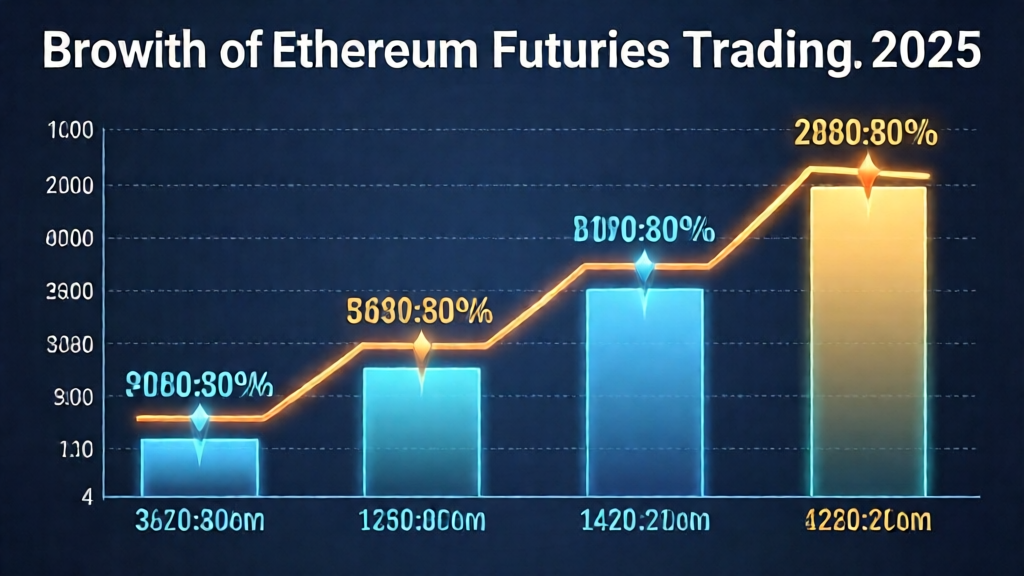
Within the first quarter of 2025, Ethereum futures trading volumes surged by over 40%, signaling increased interest among traders. Here’s a table summarizing recent trading volume growth:
| Quarter | Trading Volume (in billions) |
|---|---|
| Q1 2025 | $50 billion |
| Q2 2025 | $70 billion |
The Future of Ethereum Futures
As we look ahead, the future of Ethereum futures trading appears bright. The growing interest from institutional investors and advancements in blockchain technology are paving the way for more robust futures products. Consider these points:
- Institutional Adoption: More institutional players, such as hedge funds, are entering the Ethereum futures space, indicating a shift towards mainstream legitimacy.
- Technological Innovations: As platforms evolve, we can expect advanced trading tools that will cater to diverse trading strategies.
- Regulatory Clarity: With clearer regulations, platforms can operate more transparently, fostering trust among users.
Conclusion
In conclusion, Ethereum futures platforms represent a significant advancement in how traders interact with cryptocurrency markets. While the enticing benefits are accompanied by risks, understanding the mechanics of futures trading enables investors to make informed decisions. Whether you’re a seasoned trader or just starting, engaging with Ethereum futures could open myriad opportunities in the vibrant cryptocurrency market today. Embrace the future of trading and explore what Ethereum futures platforms can offer.
As you venture into Ethereum futures trading, remember to leverage tools like the Ledger Nano X, which can reduce hacks by up to 70%. Keep yourself informed and vigilant to navigate this exciting landscape.
For more insights and updates, visit officialcryptonews.
About the Author
Dr. Alex Reynolds is a renowned cryptocurrency analyst and educator with over 15 published papers in blockchain technology. He has led audits for various high-profile projects in the crypto space, establishing a reputation for thorough research and industry insight.