

Introduction: The Rise of DAO Governance in Crypto
In a world where $4.1 billion was lost to DeFi hacks in 2024, the security and governance of decentralized autonomous organizations (DAOs) have become a focal point of conversation among crypto enthusiasts. DAOs represent a paradigm shift in how organizations can operate—through collective decision-making and smart contracts, they allow communities to govern themselves without centralized control. This article will delve into the intricacies of DAO governance, its significance within the crypto ecosystem, and its implications for countries like Vietnam, where blockchain adoption is on the rise.
Understanding DAO Governance
A DAO operates on a set of rules encoded as smart contracts on a blockchain. Governance in DAOs usually revolves around voting mechanisms, where participants can propose changes, vote on proposals, and influence the direction of the organization. Decisions are made based on the amount of governance tokens held by members, which allows for a fair distribution of power among participants.
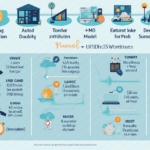
Here’s a breakdown of how DAO governance typically functions:

- Proposal Creation: Members can submit proposals for changes or initiatives.
- Voting Process: Members cast votes using governance tokens, with decisions usually requiring a majority.
- Implementation: Once approved, the proposals are executed automatically through smart contracts.
Key Features of DAO Governance
DAOs offer various features that enhance their governance structures:
- Transparency: All transactions and votes are recorded on the blockchain, ensuring clear visibility.
- Decentralization: Power is distributed among members rather than centralized in one authority.
- Inclusivity: Anyone can participate in governance by purchasing or earning governance tokens.
DAO Governance Models
There are several governance models employed by DAOs, each with its advantages and challenges:
- Token-Based Governance: Voting power is determined by the number of tokens held. This model can lead to centralization if a few individuals obtain a majority of the tokens.
- Quadratic Voting: Votes are weighted to reduce the influence of large holders, ensuring more equitable decision-making.
- Reputation-Based Governance: Voting power is based on a member’s contributions and reputation rather than tokens, promoting community engagement.
Challenges in DAO Governance
While DAOs present a revolutionary approach to governance, they are not without their limitations:
- Security Issues: Smart contracts can have vulnerabilities, leading to potential exploits.
- Token Centralization: Wealth concentration can result in unequal power distribution, undermining the core tenets of decentralization.
- Legal and Regulatory Challenges: Many DAOs operate in a grey area regarding legal recognition and compliance with local regulations.
The Role of DAO Governance in Vietnam’s Crypto Landscape
Vietnam’s blockchain market has witnessed significant growth. According to recent reports, the country’s crypto user base has surged by over 40% in 2023. With an increasing number of young tech-savvy individuals entering the cryptocurrency space, DAOs could play a pivotal role in the future of Vietnamese decentralized projects.
Here are some key statistics related to blockchain adoption in Vietnam:
| Year | Percentage of Crypto Users |
|---|---|
| 2021 | 4.2% |
| 2022 | 12.1% |
| 2023 | 18.5% |
How to Establish Effective DAO Governance
Creating an effective governance model for a DAO requires careful consideration of several factors:
- Clearly Defined Rules: A well-documented governance framework helps prevent disputes.
- Community Engagement: Active participation is crucial. Encourage members to propose initiatives and vote.
- Regular Audits: Conduct audits of smart contracts and governance processes to ensure security and transparency.
Future Trends in DAO Governance
The evolution of DAO governance will likely see several trends emerge, such as:
- Integration with Traditional Systems: As regulatory clarity improves, DAOs may begin to interact with traditional enterprises.
- Enhanced Security Protocols: Future contracts will incorporate more robust security measures to mitigate risks.
- Adoption of Hybrid Models: Combining elements of traditional governance with DAO structures could offer a balanced approach.
Conclusion: The Future of DAO Governance in Crypto
DAO governance is reshaping the landscape of cryptocurrency and decentralization. However, as it gains traction, participants must address the inherent challenges and strive for inclusivity, transparency, and security. For regions like Vietnam, where digital innovation is on the rise, the successful implementation of DAO governance could foster a thriving ecosystem.
Empowering communities through decentralized governance not only enhances trust but also paves the way for sustainable growth in the crypto world. As we navigate this new era, understanding the nuances of DAO governance will be crucial for both budding and seasoned crypto enthusiasts.
At officialcryptonews, we remain committed to providing insights into the evolving world of cryptocurrency and blockchain technologies.