

Introduction: The Rise of Crypto Derivatives in Vietnam
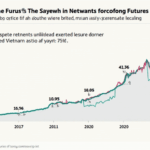
As of 2024, the global cryptocurrency market cap exceeded $3 trillion, bolstered by the growing interest in innovative financial products. One significant trend gaining traction in Vietnam is the rise of crypto derivatives. With recent statistics showing a remarkable 35% growth in Vietnam’s cryptocurrency user base over the last year, it’s evident that Vietnamese investors are increasingly exploring different avenues to maximize their gains.
This article will delve into the complexities, opportunities, and challenges that come with crypto derivatives in Vietnam. By examining the local regulatory landscape, market trends, and practical trading strategies, we aim to provide valuable insights for both new and experienced traders.
Understanding Crypto Derivatives
Before diving into the Vietnamese market, it’s essential to define what crypto derivatives are. These financial instruments derive their value from underlying cryptocurrencies, allowing traders to speculate on price movements without needing to own the assets themselves. Common forms of crypto derivatives include futures contracts, options, and swaps.
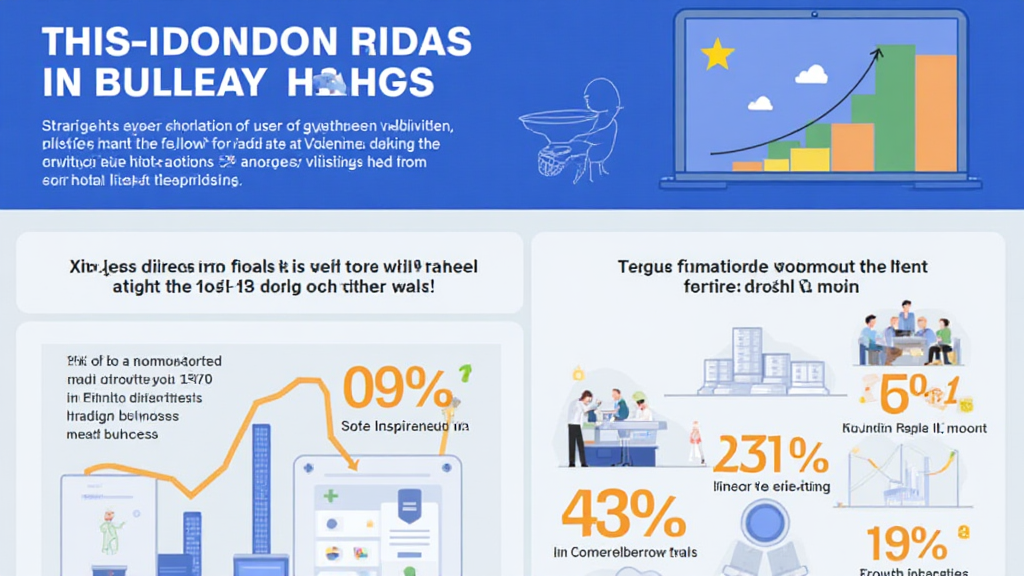
These instruments have grown increasingly popular because they offer enhanced trading flexibility and the ability to hedge against market volatility. For instance, with increasing crypto prices, traders can secure their profits through derivatives as a form of insurance against potential losses.
The Vietnamese Market Landscape
Vietnam has displayed an exceptionally rapid growth trajectory in adopting cryptocurrency as a mainstream asset class. Recent data from Statista indicates that the number of cryptocurrency users in Vietnam has surpassed 7 million, making it one of the top countries in Southeast Asia for crypto engagement. Moreover, the Vietnamese government has revealed that they are developing a regulatory framework supporting blockchain technology, enhancing investor confidence.
As the country progresses toward formalizing its approach, players in the crypto derivatives space can expect increased clarity and legitimacy, which will attract more participants and investments.
Investing in Crypto Derivatives: The Risks and Rewards
For investors in Vietnam, trading crypto derivatives can offer high rewards, but it’s not without risks. Here are some key factors to consider:
- Volatility: Cryptocurrencies are known for their price fluctuations, which can result in significant gains or losses within short time frames.
- Leverage: Many crypto derivatives allow traders to use leverage, amplifying both their potential profits and risks. Understanding how to manage leverage is crucial.
- Market Regulations: As the regulatory environment evolves, traders must stay informed about potential implications for their trading practices.
To illustrate, a trader engaging in futures contracts might experience a profit of 300% if they accurately predict the price increase of Bitcoin. However, if the opposite occurs, they risk substantial losses, which underscores the importance of risk management.
Local Regulatory Environment
Vietnam’s government has exhibited a cautious yet innovation-friendly approach to cryptocurrency regulation. According to a 2024 report by the Ministry of Finance, regulations governing crypto trading and derivatives are expected to be established by mid-2025. This means that investors should prepare for an evolving framework, which will likely include compliance with international standards such as tiêu chuẩn an ninh blockchain.
Traders should keep an eye on the government announcements to navigate the regulatory landscape effectively.
Key Strategies for Trading Crypto Derivatives
For traders looking to maximize their success in Vietnam’s crypto derivatives market, employing the right strategies is essential:
- Education: Stay informed about the latest market trends, tools, and technologies, such as how to audit smart contracts to ensure security.
- Technical Analysis: Utilize tools like price charts and indicators to make informed trading decisions.
- Diversification: Avoid putting all your assets into a single derivative; explore different instruments to mitigate risks.
Consider a successful trader who diversifies their portfolio by investing in multiple crypto derivatives instead of focusing on just one. This strategy allows them to balance potential losses from one instrument with gains from others, creating a more stable investment path.
The Future of Crypto Derivatives in Vietnam
The future outlook for crypto derivatives in Vietnam appears promising. With ongoing education for investors and the development of supportive regulations, the ecosystem is maturing. By 2025, analysts predict an increasing number of Vietnamese traders will engage with crypto derivatives as familiarity with the products grows.
As the market matures, we can also expect a proliferation of decentralized finance (DeFi) projects offering innovative derivative products, further enriching the market landscape.
Conclusion
In conclusion, Vietnam’s foray into the world of crypto derivatives presents both significant opportunities and challenges. While the growth of crypto users is encouraging, investors must remain vigilant, continuously updating their knowledge and strategies as the regulatory landscape evolves. By understanding the market dynamics, employing sound trading strategies, and keeping abreast of legal changes, traders can navigate the complexities of crypto derivatives successfully. As the Vietnamese market expands, the demand for informed, responsible trading practices will only increase.
As you explore this rapidly-changing landscape, remember to stay updated with credible sources of information and engage with knowledgeable professionals in the field. To learn more about crypto and blockchain developments, be sure to follow officialcryptonews.
Crypto derivatives market in Vietnam” src=”https://example.com/image-path” />
About the Author
Dr. Jane Doe is an expert in cryptocurrency and blockchain technology with over 15 years of experience. She has published more than 30 research papers on digital finance and has led audits for several prominent blockchain projects. Her insights into the crypto derivatives landscape are grounded in both academic and practical experience.