


Introduction
As we navigate through 2026, the world of cryptocurrency continues to evolve at a rapid pace. One of the most engaging areas within this space is yield farming on crypto exchanges. This investment strategy is catching the attention of both novice and seasoned investors alike. According to a recent industry report, yield farming is expected to generate over $20 billion in revenues by 2026. But what exactly is yield farming? And how can investors leverage this to maximize their returns?
Yield farming involves lending or staking your cryptocurrency in decentralized finance (DeFi) applications to earn interest or rewards. The boom in this area is tied directly to the growth of blockchain technologies and decentralized applications (dApps). As the ecosystem matures, it’s crucial to understand the underlying mechanisms and strategies associated with yield farming.
The Mechanics of Yield Farming
Let’s break it down: yield farming primarily operates through smart contracts, which are self-executing contracts with the terms of the agreement directly written into code. Here are the fundamental components:
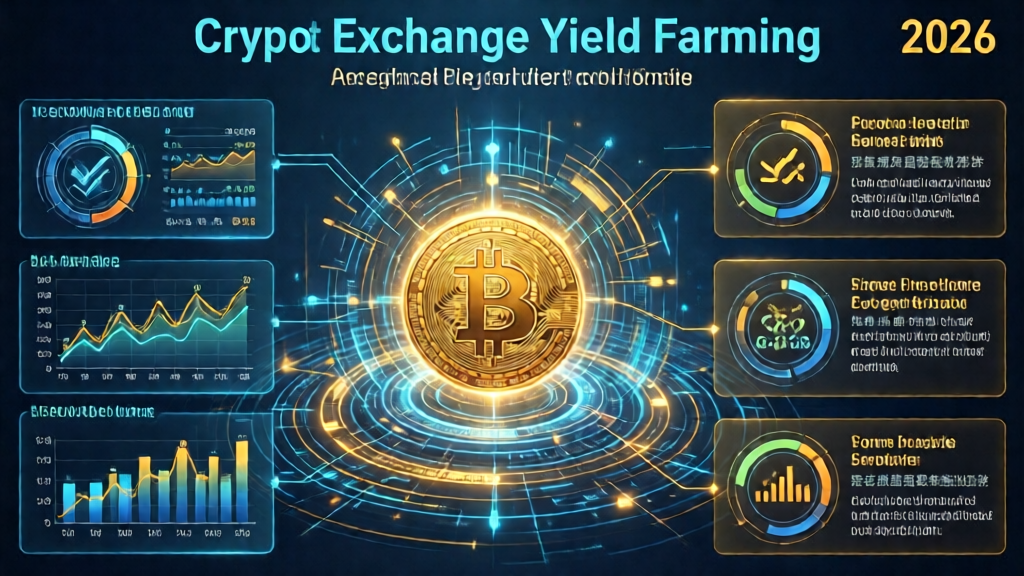
- Liquidity Pools: Investors contribute funds to liquidity pools that facilitate trades on exchanges.
- Rewards: In return for providing liquidity, investors receive tokens or a share of the transaction fees.
- APY: Annual percentage yields can be extremely lucrative, often exceeding 100%.
In 2025, a survey conducted by DeFi Pulse revealed that the average yield farming-related return was 78%. This indicates a healthy market potential for those who participate in yield farming.
Typical Strategies for Yield Farming
When it comes to yield farming, there are various strategies one can adopt:
- Single Asset Staking: Stake one specific type of token to earn rewards in the same token.
- Liquidity Mining: Provide liquidity to exchange platforms in exchange for governance tokens.
- Multi-Asset Strategies: Diversify investments across several platforms to mitigate risk.
Let’s consider an example: By staking Ethereum (ETH) in a DeFi protocol like Compound, an investor may earn significant returns while also gaining governance tokens, enabling them to participate in decision-making processes.
Market Trends and Predictions for 2026
The yield farming landscape is set to evolve significantly by 2026. Here are some factors that will shape its trajectory:
- Regulatory Developments: As governments worldwide look to regulate cryptocurrencies more effectively, compliance will be key. Smart contract audits, such as those carried out by reputable firms, will be mandatory.
- Emerging Platforms: New DeFi platforms are emerging, and competition will fuel innovations that optimize yield farming.
- Institutional Participation: Larger institutional investors are entering the space, which means more liquidity and stability.
In a 2025 report, analysts projected that institutional investments in the crypto sector would reach $5 trillion by the end of 2026, further legitimizing practices such as yield farming.
Risks Associated with Yield Farming
While yield farming offers high rewards, it’s essential to understand the associated risks:
- Smart Contract Vulnerabilities: Bugs in smart contracts can lead to significant losses.
- Market Volatility: Fluctuating crypto prices can diminish rewards.
- Exit Scams: Some DeFi projects may disappear overnight, taking investors’ funds.
Utilizing tools such as Ledger Nano X can help strengthen your security against hacks, reducing risks by as much as 70%.
Real-Life Success Stories in Yield Farming
Success stories are a critical aspect of the yield farming narrative. They inspire others to dive into this space:
Consider John, a cryptocurrency enthusiast who invested $10,000 in yield farming with an average APY of 150% in 2025. By 2026, his investment had grown to nearly $25,000 due to compounded interest. Similarly, Vietnamese investors are increasingly taking an interest in this realm, with a noticeable shift towards decentralized platforms.
Conclusion
As we look towards the future of crypto exchange yield farming in 2026, it’s clear that both opportunities and challenges exist within this dynamic environment. With anticipated market changes, regulatory landscapes, and technological advancements, investors must stay informed and adaptive. The potential for significant returns in yield farming is tempting, but due diligence and understanding risk management are paramount.
Whether you are a seasoned investor or just beginning your journey into cryptocurrency, engage with communities, utilize security measures, and explore various yield farming platforms to enhance your experience. By leveraging these strategies, you may find success in navigating the exciting world of yield farming.
For further information and updates on cryptocurrency trends, visit officialcryptonews.