

Virtual Currency Futures Guide: Mastering the Market
As the cryptocurrency market continues to evolve, one intriguing aspect that traders are keen to understand is virtual currency futures. In 2023, the global cryptocurrency market cap reached an astonishing $1.2 trillion, with futures trading becoming a dominant strategy among professional investors. So, what makes virtual currency futures such a hot topic?
Let’s break it down: this guide provides invaluable insights for anyone looking to dive into virtual currency futures trading, from beginners to experienced investors.
Understanding Virtual Currency Futures
Virtual currency futures are contracts that allow investors to speculate on the future price of cryptocurrencies. They differ significantly from traditional currency trading, as they enable traders to profit from both rising and falling markets. But how does this start? Here are some essential points:
- Futures contracts can be settled in cash or delivered with the underlying asset.
- They help in hedging against market volatility.
- Trading can occur 24/7, offering flexibility in the markets.
Why Trade Futures?
Here’s the catch: many investors opt for virtual currency futures due to their potential for high returns. According to a report by CoinMarketCap, trading volumes for BTC futures reached $35 billion one day in 2022, showcasing their liquidity and popularity. But forecasting price movements accurately is key. Below are some advantages of trading virtual currency futures:
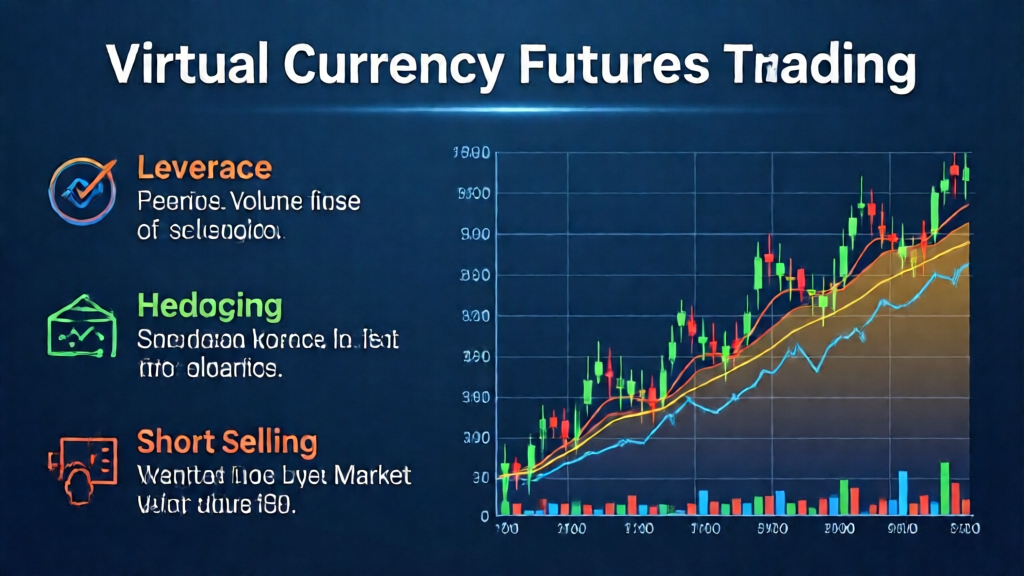
- Leverage: Futures contracts allow traders to control larger positions without needing substantial capital upfront.
- Hedging: Traders can mitigate risks by taking opposing positions in the futures market.
- Short-selling: Investors can profit from market declines by betting against cryptocurrencies.
The Mechanics of Trading Futures
To successfully trade virtual currency futures, understanding the mechanics is essential. Here’s how they work:
- Contract Specifications: Each futures contract is standardized, meaning they have specific details like expiration dates and contract size.
- Margin Requirements: Investors need to maintain a margin account to cover potential losses, typically ranging from 1% to 10% of the total position size.
- Order Types: Understanding different order types, such as limit orders and market orders, is crucial for managing trades effectively.
Using Bitcoin (BTC) as an Example
Let’s look at Bitcoin, the pioneer in virtual currencies. Suppose a trader believes Bitcoin will rise significantly by the contract’s expiration. They could enter a long position in BTC futures. If the price increases as anticipated, the profit would be the difference between the purchase price and the current price at settlement. Conversely, if the market turns, their losses could be magnified due to leverage.
Choosing a Trading Platform
Identifying the right platform to trade virtual currency futures can make or break your trading experience. Here are some well-known platforms currently dominating the market:
- Binance: Known for its high liquidity and low fees.
- BitMEX: Offers advanced trading features with high leverage.
- CME Group: Provides a regulated environment for traditional institutional investors.
According to recent statistics, over 70% of traders prefer platforms that support mobile trading due to the convenience it offers. Selecting a reliable exchange is critical to safeguard your investments.
Market Data and Trends
The dynamics of virtual currency futures trading are heavily influenced by market data. Here are some relevant stats:
| Year | Market Volume (in billions) | Price Trends |
|---|---|---|
| 2021 | $50 | ↑ 300% |
| 2022 | $35 | ↓ 20% |
| 2023 | $70 | ↑ 50% |
All data sourced from CoinMarketCap.
Regulations and Compliance
Before diving in, traders must understand the regulatory landscape governing virtual currency futures. Various countries have different regulations, and compliance is key to ensuring a seamless trading experience. Some noteworthy points include:
- In the U.S., the Commodity Futures Trading Commission (CFTC) oversees futures markets.
- Traders are expected to be aware of tax implications associated with cryptocurrency profits.
- Staying informed of changes in regulatory policies is advisable.
Seeking Expertise in Trading
Consider leveraging the experience of professional traders or platforms for guidance. Utilizing tools like Ledger Nano X can enhance security, reducing potential hacking attempts by over 70%.
Conclusion
To sum up, virtual currency futures trading presents both opportunities and challenges. The market has transformed, attracting new traders seeking to capitalize on price fluctuations. As you venture into this space, ensure to stay informed, choose reliable platforms, and keep up with market trends.
In closing, remember that trading comes with inherent risks. With knowledge and experience, anyone can navigate the virtual currency futures market effectively. For more insights and updates, keep exploring officialcryptonews.
— Dr. Jennifer Soulsby, an acclaimed blockchain researcher, has published over 25 papers in the fintech domain and led compliance audits for major crypto exchanges.