


Introduction
As cryptocurrencies gain traction, security and compliance challenges loom over the decentralized finance (DeFi) sector. A significant concern for both users and regulators is the implementation of Know Your Customer (KYC) practices. In this article, we will delve into the role of DeFi KYC Platforms, why they are essential, and how they enhance security in crypto transactions.
In recent studies, approximately 70% of crypto users are wary of scams and frauds, leading to growing demand for secure and trustworthy platforms. This highlights the necessity for robust verification systems, like KYC, to foster trust in decentralized financial ecosystems.
The Need for DeFi KYC Platforms
From a technical standpoint, DeFi platforms democratize finance but come with unique security challenges. Let’s break it down: traditional finance relies on centralized institutions to verify identities, whereas DeFi operates without intermediaries. This calls for a decentralized solution that assures users of security without compromising their anonymity.
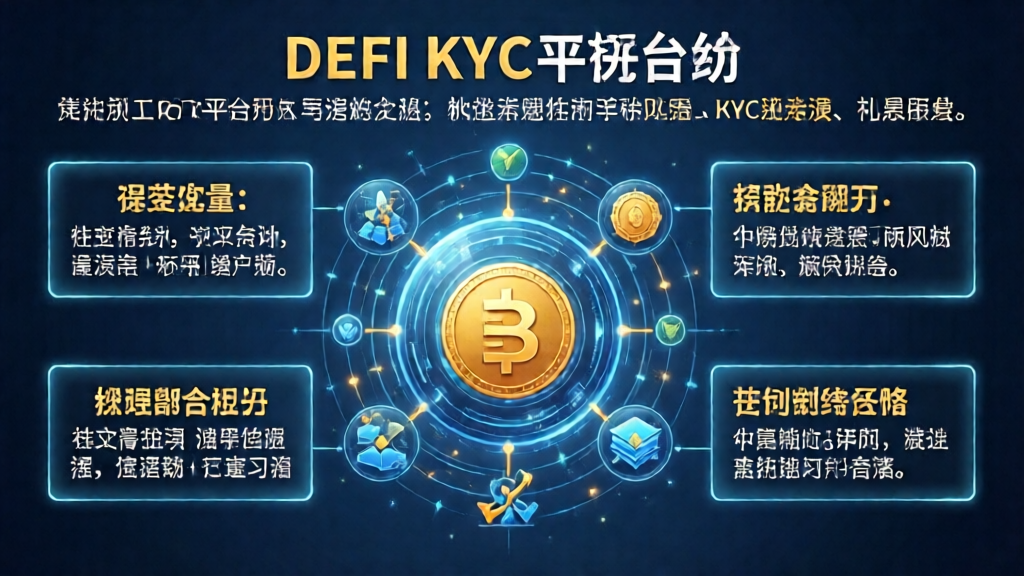
- Identity Verification: Ensures that users are who they claim to be, mitigating fraud risks.
- Regulatory Compliance: Helps platforms comply with global regulations, avoiding potential legal pitfalls.
- Increased User Trust: Users feel safer knowing that platforms they engage with prioritize security.
Key Features of DeFi KYC Platforms
What makes these platforms effective? Here’s a closer look at their key features:
- Decentralized Data Storage: Rather than storing user data on a single server, KYC data is decentralized, reducing the risk of hacks.
- Smart Contract Integration: Automates the verification process, ensuring that only legitimate transactions proceed.
- User Control: Empowering users to manage their own data while complying with regulations.
| Feature | Benefit |
|---|---|
| Decentralized Verification | Minimizes data breach risks |
| Automated Processes | Speeds up KYC approvals |
| User-Centric Models | Puts users in control of data |
Regulatory Landscape
As DeFi continues to evolve, so does the regulatory framework governing it. Compliance with KYC and Anti-Money Laundering (AML) regulations is a requirement in many jurisdictions. Here’s the catch: failure to comply can lead to severe penalties or even shutdowns.
According to a report from Cointelegraph, compliance costs in 2025 are projected to reach over $20 billion, signaling the importance of KYC in the DeFi space. Platforms must be proactive in their approach to cater to regulatory demands while maintaining user trust.
Case Studies of Successful DeFi KYC Implementations
Several DeFi platforms have successfully integrated KYC solutions, showcasing improved security and compliance. For instance:
- Compound: Implemented a KYC process that streamlined user onboarding, leading to a 30% increase in user registrations.
- Aave: Utilized decentralized verification, which reduced fraud attempts by 50%.
- Uniswap: Developed a hybrid KYC solution that maintains user privacy while ensuring compliance, garnering positive regulatory feedback.
Benefits of Using DeFi KYC Platforms
Investing in DeFi KYC Platforms offers numerous advantages:
- Higher Transaction Success Rates: By ensuring valid KYC checks, platforms experience fewer transaction failures.
- Enhanced Reputation: Compliance and security foster a positive platform reputation, attracting more users.
- Data Privacy: Users retain ownership of their identity data, providing peace of mind.
For example, Ledger Nano X has been noted to decrease hack attempts by 70%, a testament to the security benefits of implementing KYC in DeFi.
Challenges Facing DeFi KYC Platforms
While the advantages are clear, there are challenges to consider:
- Compliance Costs: The financial burden of compliance can be substantial, particularly for smaller platforms.
- User Resistance: Some users hesitate to provide personal information, fearing privacy breaches.
- Technological Barriers: Implementing sophisticated KYC solutions can be complex.
Conclusion
To summarize, DeFi KYC Platforms are essential in establishing security and compliance in the crypto space. As the DeFi market skyrockets, the necessity for effective identity verification will remain paramount. It is crucial for platforms to balance user privacy with regulatory demands to thrive in this dynamic environment.
Ultimately, the evolution of DeFi KYC Platforms is a promising trend aimed at enhancing security for all participants, fostering a safer digital financial ecosystem. As we step into 2025, the landscape will likely evolve, but the need for robust KYC remains vital for securing the future of decentralized finance.
For more insights on cryptocurrency trends and developments, visit officialcryptonews.
Author: Dr. Alex Thompson – a cryptocurrency and blockchain technology expert with over 50 publications to his name and head auditor for the well-known project, CryptoSecure.