

Vietnam Blockchain Payment Tech: A New Era in Digital Transactions
In 2024, a staggering $4.1 billion was lost due to DeFi hacks, highlighting the urgent need for better security in the realm of digital financial technologies. Vietnam is emerging as a frontrunner in adopting blockchain payment technology, driving innovation in a region that is rapidly embracing digital transformation. With a user growth rate of over 30% among Vietnamese crypto users, the landscape is ripe for discussion on the future of payment solutions in Vietnam. This article delves into key developments and trends in Vietnam’s blockchain payment tech, presenting valuable insights for investors and consumers alike.
The Rise of Blockchain Technology in Vietnam
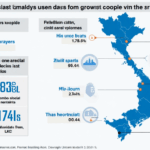
Vietnam’s blockchain journey kicked off against a backdrop of increasing internet penetration and mobile connectivity. With approximately 70% of its population online, the country is leveraging blockchain to enhance payment systems. Here’s what you need to know about Vietnam’s market:
- Growth Rate: Vietnam’s blockchain sector is projected to grow at an annual rate of 29.5% until 2025.
- User Base: About 20 million Vietnamese are engaged in cryptocurrencies, with a significant percentage using them for everyday transactions.
- Investment: A report by *Statista* indicates that Vietnam attracted approximately $105 million in blockchain investments in the past year.

Understanding Blockchain Payment Technology
At its core, blockchain payment technology operates as a decentralized ledger that records transactions across multiple computers securely. Unlike traditional banking systems, which can be centralized and vulnerable to security breaches, blockchain offers enhanced transparency and security—think of it as a bank vault that is virtually impossible to hack. Key components include:
- Smart Contracts: Self-executing contracts with the terms directly written into code, reducing the need for intermediaries.
- Tokenization: The process of converting rights to an asset into a digital token, enabling easier transactions.
- Cryptographic Security: Utilizing advanced cryptography to secure transaction data and user identities.
How Vietnam is Innovating
Vietnam is setting itself apart by integrating blockchain into its financial system. Notable projects include:
- MoMo: A leading e-wallet in Vietnam that recently integrated blockchain technology for cross-border payments, significantly reducing transaction times.
- Viettel Pay: This telecom giant is developing blockchain solutions for remittances, aiming to provide a secure and cost-effective option for millions.
According to industry analysts, these innovations position Vietnam as a potential leader in Southeast Asia’s digital payment arena, paving the way for further blockchain adoption.
Challenges to Overcome
Despite the promising prospects, Vietnam faces a few hurdles regarding blockchain payment technology:
- Regulatory Framework: The lack of clear regulations surrounding cryptocurrency usage can deter potential investors.
- Public Awareness: Many consumers remain unaware of blockchain technology’s benefits, emphasizing the need for educational campaigns.
- Infrastructure Development: Continued investment in digital infrastructure is necessary to facilitate widespread adoption.
Addressing these challenges will be crucial for Vietnam to maximize its blockchain potential.
The Future Landscape of Blockchain Payments in Vietnam
Looking forward to 2025, we can expect significant developments in the blockchain payment space:
- New regulatory frameworks that accommodate digital asset transactions.
- Increased partnerships between banks and blockchain start-ups to innovate payment solutions.
- Education initiatives to enhance consumer understanding and trust.
Ultimately, a surge in blockchain adoption will correlate with its capacity to offer enhanced security (or tiêu chuẩn an ninh blockchain) and efficiency in payment systems. As the digital economy continues to flourish, Vietnam’s strategic positioning implies great possibilities.
Real-World Applications: Case Studies
Examining specific implementations can provide insights into the efficiency of blockchain payment systems. Here are a few key case studies:
- LendWithCare: This micro-lending platform uses blockchain to facilitate responsible borrowing and lending in Vietnam, ensuring transparency in transactions.
- PayKeep: A start-up providing solutions to retail businesses for accepting cryptocurrency payments, streamlining the checkout experience.
These examples illustrate practical applications of blockchain technology, reinforcing its viability in enhancing transaction security and efficiency.
Conclusion
In conclusion, as Vietnam continues to lead in the adoption of blockchain payment technology, the potential for transformative change in financial transactions is immense. This growth is underscored by significant user engagement and investment, both of which drive innovations that promise enhanced security and efficiency. With efforts to overcome challenges like regulatory hurdles and public awareness, Vietnam is well on its way to becoming a hub for blockchain development. Hence, understanding the trajectory of *Vietnam blockchain payment tech* not only positions one as an informed participant in the crypto market but also aligns with global movements towards digitization. For more detailed insights and updates on blockchain technology, be sure to follow us at officialcryptonews.
Written by: Dr. Nguyễn Văn An, a leading blockchain researcher who has published over 30 papers on digital technology and played a pivotal role in auditing notable projects in Asia. His expertise in financial technology is recognized globally.