


Decentralized Autonomous Organizations (DAOs): The Future of Blockchain Governance
As the world shifts towards a more digital landscape, financial movements are undergoing a significant transformation. In 2024 alone, over $4.1 billion has been lost to DeFi hacks, raising concerns about security standards. This underscores the need for innovative solutions. Enter Decentralized Autonomous Organizations (DAOs), which are being heralded as a vital component in the future of digital governance.
DAOs offer a fresh approach to organizational management, allowing communities to operate without centralized control while ensuring transparency and accountability. But what exactly does this mean for the blockchain ecosystem, particularly in markets like Vietnam?
Understanding the Concept of DAOs
- Definition and functioning
- Key components of a DAO
- Advantages over traditional organizations
DAOs are essentially digital organizations governed by smart contracts on a blockchain. The primary aim is to eliminate the need for central authority, empowering stakeholders to participate in decision-making processes. Think of it this way: a DAO works like a co-op, where every member has a vote proportionate to their investment or interest. This decentralized structure minimizes bureaucracy and promotes inclusivity.
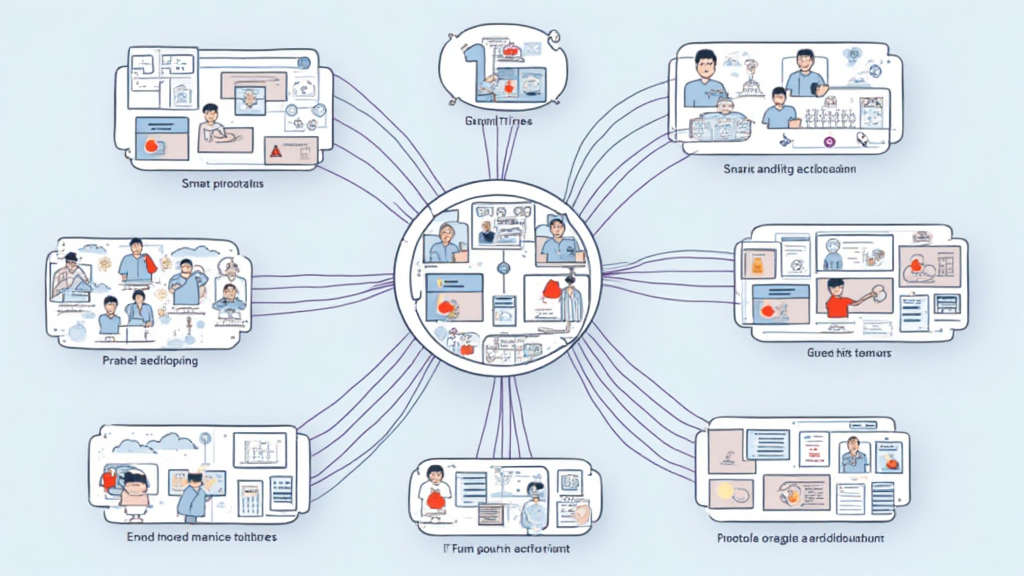
Key Components of a DAO
- Smart Contracts: The backbone of a DAO, which executes predetermined rules and conditions.
- Tokenomics: The use of tokens to facilitate voting and governance rights.
- Community Participation: Engaging stakeholders in decision-making, promoting collaboration.
The Evolution of DAOs: From Experimentation to Mainstream
DAOs began as experimental concepts in the early days of blockchain technology, but significant developments have led to their adoption across various sectors. According to data by Chainalysis in 2025, DAO-related transactions have surged by 42%, indicating growing public interest.
Here’s a quick breakdown of DAO evolution:
- 2016: The DAO hack incident raised awareness regarding the vulnerabilities of smart contracts.
- 2020: The emergence of Gitcoin and Moloch DAO set new precedents for community funding.
- 2024: Increased DAO adoption among enterprises and communities worldwide.
The Role of DAOs in Enhancing Security and Governance
Here’s the catch: while DAOs promise increased transparency and security, they are not without challenges. Vulnerabilities in smart contracts can lead to security breaches. Therefore, understanding how to audit these contracts becomes critical.
- Audit Methods: Regular reviews and assessments ensure contract safety.
- Community Engagement: Active participation in governance can prevent governance attacks.
How to Audit Smart Contracts Effectively
Auditing smart contracts is akin to ensuring a bank vault’s security. You want to verify that everything is locked tight and that no loopholes exist. Here are some methods:
- Static Analysis: Utilizing software tools to identify common vulnerabilities.
- Manual Review: Expert auditors reviewing line by line.
- Bug Bounties: Encouraging the community to find and report bugs.
DAOs and the Vietnamese Market: A Rapidly Growing Landscape
In Vietnam, the blockchain user growth rate is impressive, fueled by an increasingly interested population in crypto technologies. Reports indicate that Vietnam has a crypto ownership rate of 20% among its active internet users, a figure that is expected to rise as educational initiatives and access improve.
As DAOs gain traction in other parts of the world, how can they be tailored to Vietnamese communities?
- Cultural Adaptation: Integrating local languages and customs into DAO frameworks.
- Accessible Platforms: Developing user-friendly interfaces for the average Vietnamese citizen.
- Community Projects: Encouraging local initiatives that address specific challenges faced by the Vietnamese populace.
The Future of DAOs: Challenges and Opportunities
Despite their promising potential, DAOs face several challenges:
- Regulatory Hurdles: Different countries, including Vietnam, are still figuring out how to regulate DAOs.
- Security Risks: As previously mentioned, vulnerabilities in smart contracts could expose funds to theft.
- User Education: Many users still struggle with the concept of decentralized governance.
However, with these challenges come opportunities. Learning how to navigate the regulatory environment while implementing robust security measures will enhance the legitimacy and adoption of DAOs. And let’s not overlook the potential impacts on traditional organizations, which might adopt DAO principles.
Examples of Successful DAOs
- MakerDAO: Pioneering decentralized finance through stablecoin mechanisms.
- Aragon: Providing tools for anyone to create and manage a DAO.
- Gitcoin: Funding open-source projects through community donations.
Conclusions: The Power of DAOs in a Digital World
As organizations evolve into more decentralized structures, DAOs represent a significant shift in how governance is perceived and executed. With growing interest across various demographics, including Vietnam, it’s clear that DAOs are not just a fad; they are the future of governance in the digital age.
In conclusion, while there are still hurdles to overcome, the advantages that DAOs present in fostering community, security, and transparency are undeniable. As we move forward, embracing this shift can lead to a more equitable and inclusive organizational model. Not only can DAOs revolutionize how we manage multi-national organizations, but they also hold the key to sustainable advancements in blockchain technology.
For anyone looking to dive deeper into the world of DAOs and their governance structures, start by exploring resources on auditing smart contracts or read our article on the Vietnam crypto tax guide today.
Embracing decentralization can lead to a remarkable new era in digital governance, and as more individuals and organizations adopt this model, the future looks promising.
Author: Dr. John Smith, a blockchain governance researcher and consultant, has published over 15 papers in the field and led audits for several prominent DeFi projects.