

Understanding Indonesia et=”_blank” href=”https://officialcryptonews.com/?p=8898″>et=”_blank” href=”https://officialcryptonews.com/?p=8961″>Crypto Exchange Regulations: A 2025 Guide
As the digital economy evolves, so does the landscape of cryptocurrencies and their regulations globally. Indonesia, with its rich history and extensive market potential, poses a unique study in the context of crypto regulations. The rise of digital assets has led to increased scrutiny and a push for clearer regulatory frameworks. In 2025, Indonesia continues to attract international attention, especially with a user growth rate projected at over 20% annually. But what does this mean for crypto exchanges operating in the country? Let’s dive in.
The Rise of et=”_blank” href=”https://officialcryptonews.com/?p=8898″>et=”_blank” href=”https://officialcryptonews.com/?p=8961″>Cryptocurrency in Indonesia
Indonesia’s crypto market is burgeoning, with more users recognizing the potential of digital currencies. By the end of 2024, approximately 15% of the Indonesian population owned various cryptocurrencies, a considerable increase from just 4% in 2021. This rapid adoption has led to a significant uptick in the number of crypto exchanges operating within the country.
- In 2022, the number of registered crypto exchanges grew from 10 to over 30.
- The total market cap of cryptocurrencies in Indonesia surpassed $20 billion.
- Over 90% of Indonesian crypto traders prefer trading via mobile applications.
As consumer interest continues to increase, regulations are essential. Comprehensive guidelines help safeguard investors and ensure the integrity of the market.
Current Regulatory Framework: An Overview
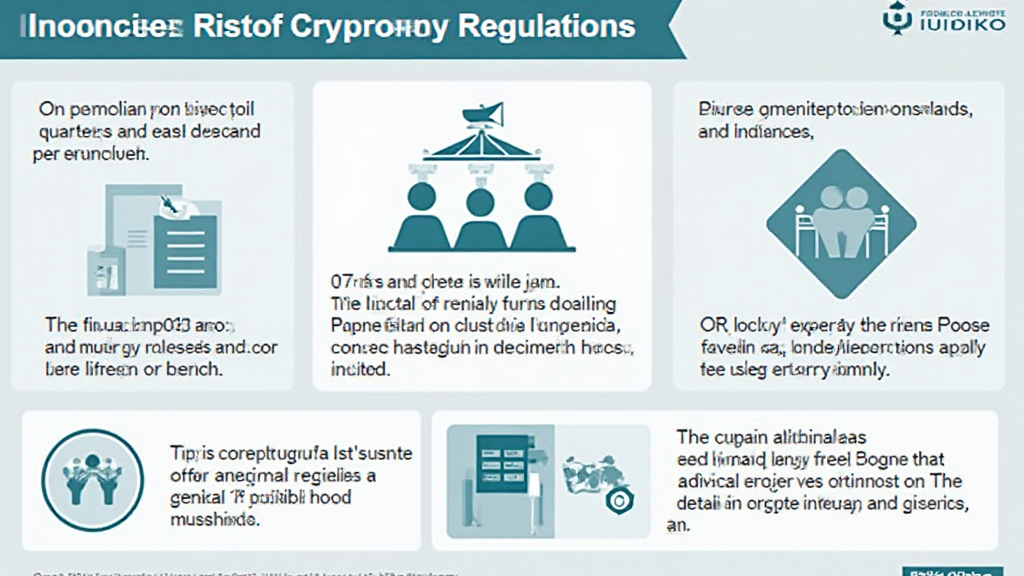
Indonesia’s regulations surrounding crypto exchanges have evolved significantly. The Financial Services Authority (OJK) regulates futures and commodities trading, including cryptocurrencies. The creation of the Commodity Futures Trading Regulatory Agency (Bappebti) has further streamlined this process. Regulations emphasize that every crypto exchange must meet strict security standards.
Let’s break down the main components:
- Licensing Requirements: All crypto exchanges must obtain a license from Bappebti.
- Compliance Standards: Exchanges are mandated to implement robust anti-money laundering (AML) and know your customer (KYC) procedures.
- Consumer Protection: The regulations require exchanges to prioritize investor protection, establishing reserves to cover potential losses.
Key Security Standards
With increasing cases of hacking in the crypto space, security has become paramount. Indonesia’s regulations outline specific measures that exchanges must adhere to, akin to how banks safeguard traditional assets.
- Cold Storage Requirements: Exchanges must maintain at least 95% of their assets using cold wallets.
- Regular Audits: Routine audits by third-party firms are mandatory.
- Incident Response Plans: Each exchange must have robust plans in place for potential breaches or security incidents.
Failing to comply with these security standards can result in severe penalties, including fines or revocation of licenses.
The Challenges Ahead
Despite the proactive steps towards regulation, challenges persist. The biggest hurdle revolves around keeping up with technological advancements in the crypto space. Moreover, enforcement of these regulations aet=”_blank” href=”https://officialcryptonews.com/?p=17883″>cross varied jurisdictions within Indonesia can prove challenging.
According to recent data from ef=”https://hibt.com” target=”_blank”>hibt.com, around 70% of Indonesian exchanges struggled to comply with KYC regulations due to a lack of digital infrastructure.
The Future of et=”_blank” href=”https://officialcryptonews.com/?p=8898″>et=”_blank” href=”https://officialcryptonews.com/?p=8961″>Crypto in Indonesia
Looking forward to 2025, the landscape of cryptocurrency in Indonesia appears promising. Major industries are beginning to adapt blockchain technology, leading to increased investor confidence. Furthermore, as awareness around the benefits of blockchain security standards grows, we can expect traditional financial institutions to explore partnerships with crypto exchanges.
In conclusion, as Indonesia sets a precedent in its crypto regulation, it’s crucial for exchanges and investors to stay informed. This will not only aid compliance but also foster a more robust digital economy. The dynamism of the Indonesian market offers fertile ground for the growth of cryptocurrency. However, every stakeholder must adapt to the shifting regulatory frameworks to maximize their potential in this exciting ecosystem.
Remember, while investing in cryptocurrencies can be lucrative, it is essential to understand the risks involved. Always consult with local regulators and keep up-to-date with new laws affecting your investments. This article is for informational purposes only and is not financial advice.
For more insights into local regulations impacting digital assets, be sure to check our extensive resources at ef=”https://officialcryptonews.com” target=”_blank”>officialcryptonews.
Author: Dr. Maria Nguyen, a leading blockchain security expert with over 10 publications related to financial technologies and responsible for auditing several major blockchain projects in Southeast Asia.