


Token Distribution Models: Understanding the Basics and Their Importance in Crypto
With the cryptocurrency market facing unprecedented levels of scrutiny, understanding the token distribution models has never been more crucial. In 2024 alone, an estimated $4.1B was lost due to vulnerabilities in decentralized finance (DeFi) hacks. The methods through which tokens are distributed can significantly impact not just the project’s success, but also users’ security and confidence. In this article, we will explore different token distribution models and why they are fundamental in the crypto ecosystem.
What Are Token Distribution Models?
Token distribution refers to how tokens are allocated among various stakeholders in a blockchain project. These stakeholders can include developers, early investors, and the community. The model chosen can influence everything from market demand to the decentralized nature of a project.
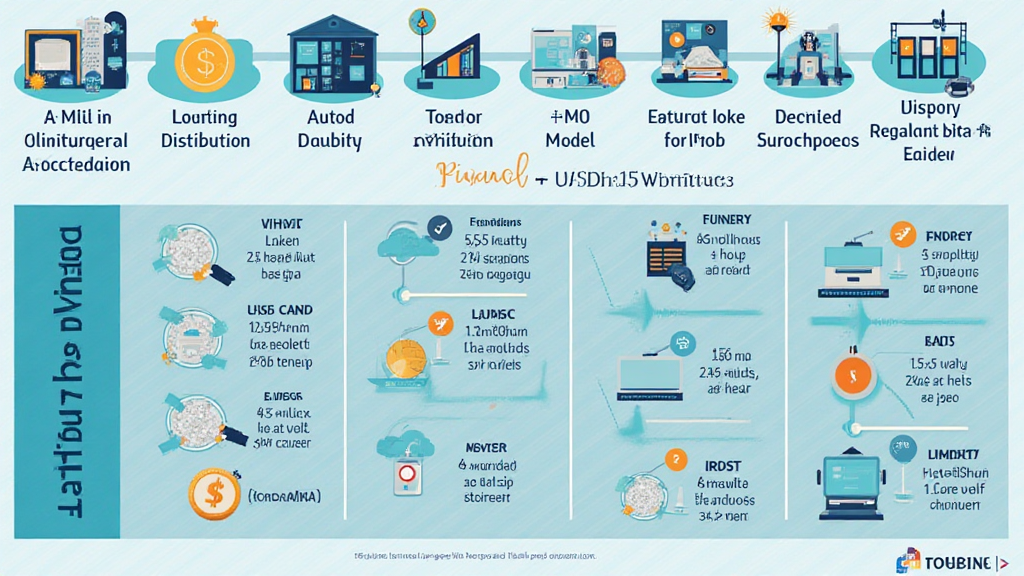
Types of Token Distribution Models
- Initial Coin Offerings (ICOs): A popular fundraising method where tokens are sold to investors during the project’s early stages.
- Decentralized Autonomous Organizations (DAOs): Tokens are granted based on governance participation and contributions to the community.
- Liquidity Mining: Users earn tokens by providing liquidity to decentralized exchanges.
- Rewards and Incentives: Tokens distributed as rewards for various activities, promoting community engagement and contribution.
Why Token Distribution Models Matter
Token distribution can play a crucial role in ensuring the longevity and viability of a crypto project. Properly designed distribution models can maintain a fair market, foster a strong community, and increase the token’s overall value. Let’s break down these aspects further.
Market Stability
A well-planned token distribution model contributes to market stability. If too many tokens are pre-mined or allocated to founders, it creates a risk of a ‘pump and dump’ scenario as whales may sell off during price spikes. Studies show projects with fair distribution models tend to perform better in the long run.
Community Engagement
Effective distribution strategies encourage active community participation. For example, liquidity mining rewards users for providing their assets to a platform, fostering a synergistic relationship between the users and developers.
Case Studies of Successful Token Distribution Models
Let’s look at some real-world examples that showcase the success of effective token distribution models:
Example 1: Ethereum‘s ICO
Ethereum’s 2014 ICO raised around $18 million in just 42 days. Its token distribution model allowed early backers to contribute to a project that promotes decentralization, which led to widespread community adoption and growth.
Example 2: Uniswap’s Liquidity Mining
Uniswap leveraged liquidity mining as its primary token distribution model, which not only incentivized users to provide liquidity but also instilled a sense of ownership among them, significantly increasing the platform’s trading volume.
Challenges in Token Distribution Models
While exploring various token distribution models is essential, challenges remain. Lack of transparency or unfair advantages can lead to distrust and the potential failure of a project. Here are a few common issues:
- Centralization Risks: When token allocation is heavily centralised, it undermines the essence of what blockchain stands for.
- Market Manipulation: Inadequately designed models can lead to price manipulation by whales.
Future Trends in Token Distribution
With the rapid evolution of the blockchain space, the future of token distribution models in Vietnam and globally will be crucial. As the user base continues to grow at rates previously unseen—Vietnam’s crypto user growth rate soared by 200% in 2023—adapting these models for new market realities is paramount.
As more organizations move towards decentralized financial ecosystems, we can expect innovation in token distribution models, ensuring they align with regulatory standards while maximizing user security. For example, practices like transparent audits and community-driven allocation methods can improve trust and safety in these emerging markets.
Conclusion: The Importance of Token Distribution Models
Understanding token distribution models is crucial for anyone involved in the cryptocurrency ecosystem. These models define the market’s fairness, encourage community engagement, and influence long-term success. As we look ahead to 2025 and beyond, it is evident that well-designed distribution models will play a significant role in shaping the future of blockchain technologies across the globe, including Vietnam. By ensuring transparency, engaging communities, and adopting new practices, we can enhance the overall security and credibility of cryptocurrency investments.
To stay updated on the latest trends and developments in this fast-paced industry, make sure to check officialcryptonews.