


Staking Tutorial Platform: A Comprehensive Guide
In the ever-evolving world of cryptocurrency, staking has emerged as a popular method for generating passive income. As more individuals look to invest in digital assets, understanding how to effectively stake your tokens is crucial. Did you know that the global staking market is projected to reach over $25 billion by 2025? With such impressive growth, now is the perfect time to familiarize yourself with the staking tutorial platform to make informed decisions.
What is Staking?
Staking is the process of actively participating in transaction validation (similar to mining) on a proof-of-stake (PoS) blockchain. Here’s the catch: instead of using computational power to validate transactions, participants lock up a certain amount of their cryptocurrency to contribute to the network’s security. In return, they earn rewards.
Why Stake?
- Passive Income: Staking allows you to earn rewards simply by holding onto your coins.
- Network Support: By staking, you help maintain the integrity and security of the blockchain.
- Enhanced Token Utility: Some tokens increase in value over time due to staking mechanisms.
Choosing the Right Staking Platform
When selecting a staking tutorial platform, it’s essential to consider factors like user experience, fees, security features, and supported cryptocurrencies. Let’s break it down further:
1. User Experience
Look for platforms that provide a seamless user interface. It should be intuitive, especially for beginners. You can find reviews on platforms like Reddit or specific cryptocurrency forums to gauge user satisfaction.
2. Security Features
Security is paramount when dealing with cryptocurrencies. Choose platforms that utilize high-level encryption and have established a track record of securing users’ funds. For example, **Ledger Nano X reduces hacks by 70%**, enhancing your security while staking.
3. Fees
Different platforms have varying fee structures, including withdrawal fees, transaction fees, and percentage cuts from your staking rewards. Compare these costs across platforms to ensure you’re getting the best deal.
How to Stake Cryptocurrency: A Step-by-Step Tutorial
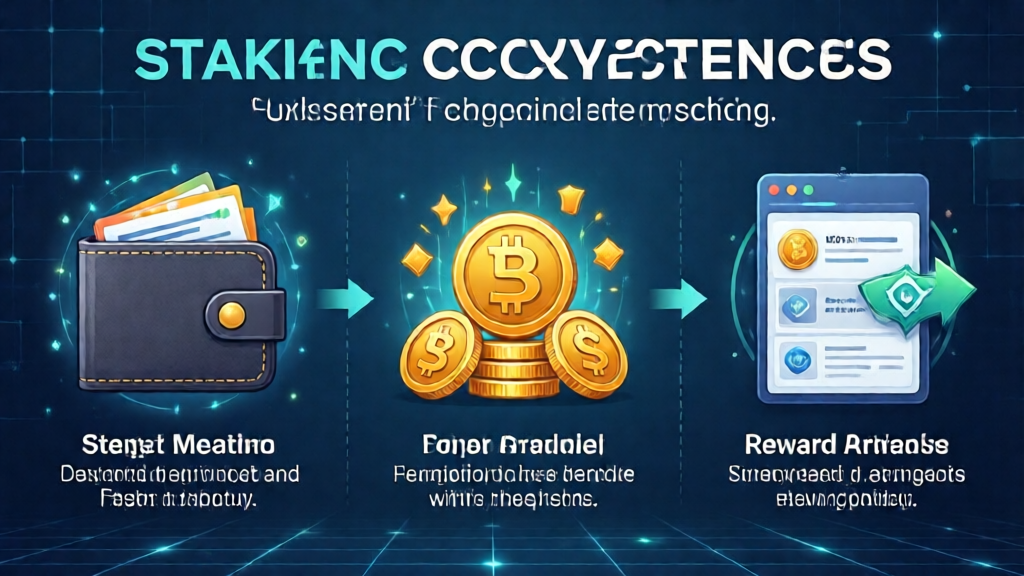
Let’s explore the staking process through a practical step-by-step guide.
Step 1: Choose Your Cryptocurrency
Select a coin that operates on a proof-of-stake mechanism. Popular choices include Ethereum 2.0, Cardano, and Tezos. Research the specific details on each currency’s staking mechanism.
Step 2: Set Up a Wallet
You need a wallet to store your staked coins. Ledger hardware wallets are an excellent choice due to their robust security features. Make sure the wallet you choose supports staking for your selected cryptocurrency.
Step 3: Buy and Transfer Coins
Purchase the coins through an exchange like Binance or Coinbase, then transfer them to your wallet. Ensure you follow the transfer procedures accurately. Fees may apply here, so keep that in mind.
Step 4: Start Staking
Most platforms offer a simple staking interface where you can select how much to stake and how long to stake it for. Make sure to read any specific rules or requirements for the staking process.
Step 5: Monitor and Collect Rewards
After staking your coins, you can monitor your staked tokens and rewards through the wallet or exchange interface. Tracking your rewards will let you know if you need to reevaluate your strategy.
Staking Risks: What You Should Know
While staking presents an excellent opportunity for earning rewards, it’s essential to be aware of the associated risks:
- Market Volatility: The value of staked coins may drop significantly.
- Liquidity Issues: Some platforms may lock your funds for a set period, causing liquidity issues.
- Centralization Risks: Some staking pools become too centralized, potentially harming the network.
Real-World Examples of Successful Staking
Many investors have successfully utilized staking as a means to enhance their portfolios. For instance:
- Ethereum 2.0: Many users have reported earning healthy returns by staking ETH, with current staking APR around 6%.
- Cardano (ADA): ADA has seen significant returns for stakers, with many reporting earnings exceeding 5% annually.
Conclusion
Understanding the dynamics of staking is vital for anyone looking to invest in cryptocurrencies. By choosing the right staking tutorial platform, you can maximize your investment while contributing to the network’s health and security. Stay informed, practice patience, and always do your research.
At officialcryptonews, we believe that knowledge is your strongest asset in the crypto market. Happy staking, and remember to check back for more valuable insights from our financial technology experts!