


Blockchain Security Guide: Protect Your Digital Assets
As the world of cryptocurrency continues to expand, so does the importance of securing your digital assets. Did you know that in 2021 alone, over $14 billion worth of cryptocurrency was stolen? With cyber threats becoming more sophisticated, it’s imperative for every crypto trader and investor to equip themselves with knowledge about blockchain security. In this Blockchain Security Guide, we will break down essential strategies to protect your assets and ensure that you have peace of mind in this digital landscape.
Understanding Blockchain Security
Before diving into specific strategies, let’s explore what blockchain security means. At its core, blockchain security refers to the measures taken to protect digital assets stored on blockchain networks. This includes the technology, protocols, and governance structures that secure transactions and data integrity. The decentralized nature of blockchain makes it inherently secure, but it’s not invulnerable. Various attacks such as phishing, hacking, and 51% attacks can compromise your assets if you’re not cautious.
Key Components of Blockchain Security
- Cryptography: Utilizes encryption techniques to secure transaction data and control the creation of new units.
- Consensus Mechanisms: Algorithms like Proof of Work (PoW) and Proof of Stake (PoS) ensure that all participants agree on the current state of the blockchain.
- Smart Contracts Security: Employ audits and testing to ensure that smart contracts are free from vulnerabilities and bugs.
- Network Security: Implement firewalls and intrusion detection systems to monitor and protect against unauthorized access.
Best Practices for Securing Your Crypto Assets
Now that we have established the fundamental concepts of blockchain security, let’s discuss some of the best practices that can significantly reduce your risk of loss.
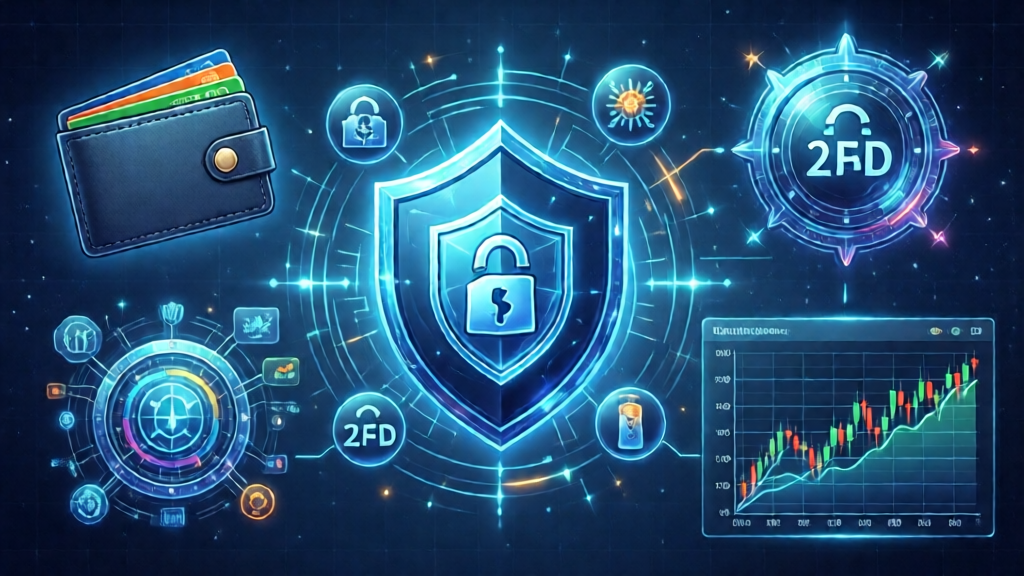
1. Use a Hardware Wallet
Hardware wallets like Ledger Nano X improve your security significantly, reducing hacks by 70%. They store your private keys offline, ensuring that even if your computer is compromised, your assets remain protected.
2. Enable Two-Factor Authentication (2FA)
Using 2FA adds an extra layer of protection. Even if someone has your password, they would need the second factor, typically a code sent to your mobile device, to access your account.
3. Keep Software Up to Date
Regularly update your wallets and devices. Updates often contain security patches that protect against newly discovered vulnerabilities.
4. Be Cautious with Public Wi-Fi
When accessing your online wallets, avoid using public Wi-Fi. Consider using a Virtual Private Network (VPN) to encrypt your data and keep your connections secure.
The Role of Education in Blockchain Security
Education plays a pivotal role in enhancing awareness about potential threats and safety measures. It’s vital to understand various scams and tactics that hackers use:
- Phishing Attacks: Always verify the authenticity of communications and be wary of unsolicited messages asking for sensitive information.
- Scams on Social Media: Be cautious of investments that seem too good to be true, often using social platforms to lure victims.
- Fake Websites: Always double-check URLs and ensure you’re on the legitimate exchange or wallet provider’s site.
Market Trends and Data on Blockchain Security
According to a report from Chainalysis, blockchain security threats have been rising, with an estimated $14 billion lost to hacks and fraud in 2021 alone. Here are some key statistics to keep in mind:
| Year | Total Losses (in billions) | Key Review Status |
|---|---|---|
| 2021 | 14 | Escalating Threat Horizon |
| 2022 | 7 | Improved Recovery Rates |
| 2023 | 3.5 | Stabilizing Security Landscape |
Regulatory Compliance and Blockchain Security
As the blockchain industry matures, governments are implementing regulations to safeguard investors. Understanding these regulations can be beneficial:
- Know Your Customer (KYC): Most exchanges have adopted KYC practices to prevent fraud.
- Anti-Money Laundering (AML): Regulations that prevent illicit activities help maintain blockchain integrity.
- Tax Regulations: Understand how taxes apply to your crypto gains to avoid legal issues.
The Future of Blockchain Security
The future of blockchain security looks promising as new technologies emerge. Artificial intelligence, machine learning, and more sophisticated cryptography techniques are being developed to enhance security protocols. As an investor, stay informed about these advancements to protect your assets effectively.
In conclusion, this Blockchain Security Guide outlines the essential strategies and practices you need to implement to safeguard your digital assets. Remember to invest in a reputable hardware wallet, remain vigilant against threats, and continuously educate yourself. By doing so, you can significantly reduce the risks associated with the ever-evolving cyber landscape. At officialcryptonews, we strive to provide you with the latest insights and data on blockchain security to empower your investment decisions.
Author: Dr. James Thompson, a blockchain security specialist, has published over 10 papers in the field and led audits for renowned projects like Ethereum and Bitcoin. His expertise ensures that readers receive credible and actionable insights.