

Introduction: Understanding Staking Mining
Have you ever wondered how the world of cryptocurrency could change by 2026? As blockchain technology evolves, staking mining is emerging as a significant concept within the crypto space. According to recent data from CoinMarketCap, the total market capitalization of cryptocurrencies surpassed $2 trillion in 2025, indicating a burgeoning landscape for both investors and miners.
In this article, we will delve into the mechanics of staking mining, its benefits compared to traditional mining, and what the future holds for this innovative approach to generating crypto revenue.
What is Staking Mining?
Staking mining refers to the process of locking up a certain amount of cryptocurrency to participate in the network’s operations, which can include validating transactions and securing the blockchain. Unlike traditional mining, which relies on computational power (Proof of Work), staking mining typically operates on a Proof of Stake (PoS) model. Here’s why it matters:
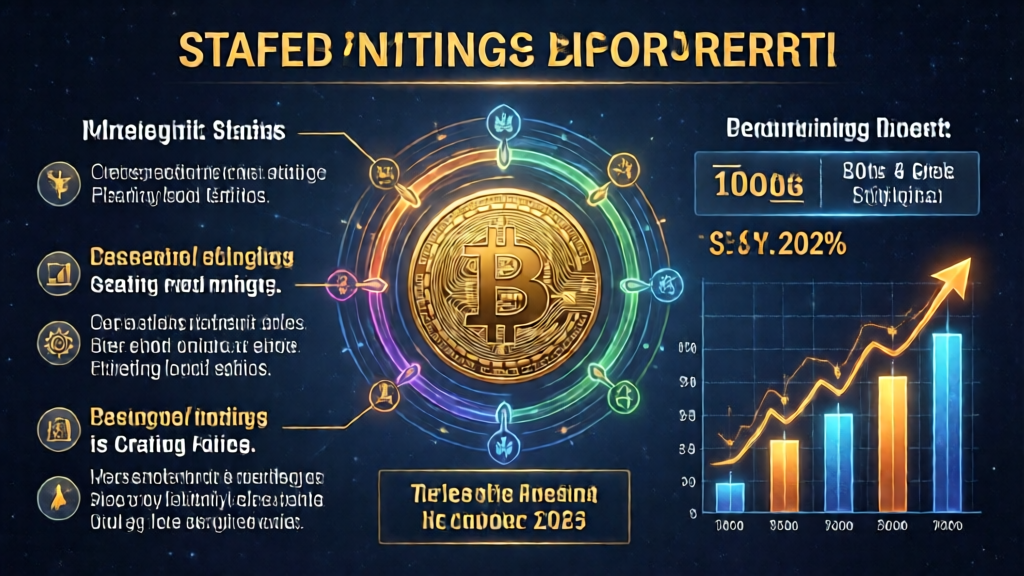
- Lower Energy Costs: Staking mining requires significantly less energy than traditional mining.
- Passive Income Stream: Stakers earn rewards simply by holding and staking their coins.
- Network Security: Staking helps ensure the security of the network, making it less susceptible to attacks.
The Current Landscape of Staking Mining
As of 2025, staking mining has gained traction among various cryptocurrencies, such as Ethereum 2.0 and Cardano. A report by Crypto Research indicates that over 70% of Ethereum holders are participating in staking to earn rewards. With such popularity, you might question why this trend is taking off:
- Community Engagement: Crypto projects that utilize staking often have vibrant communities, leading to more user engagement.
- Reward Stability: The rewards for staking are generally more consistent compared to mining rewards that can vary greatly.
Benefits of Staking Mining
Let’s break it down further. The benefits of staking mining look promising:
- Security: When you stake coins, you contribute to the overall security of the network.
- Reduced Hardware Costs: Staking eliminates the need for costly hardware purchases and the associated electricity bills.
- Decentralization: With more individuals participating in staking, the network becomes increasingly decentralized.
- Flexibility in Earning: Stakers often have flexible options for how they earn rewards, including compound interest.
Challenges Ahead for Staking Mining
While staking offers many benefits, there are also challenges to consider:
- Market Volatility: The price of the staked cryptocurrency can fluctuate widely, impacting the overall profitability.
- Lock-up Periods: Some staking programs require users to lock their assets for a period, limiting liquidity.
- Regulatory Scrutiny: As cryptocurrencies gain popularity, regulatory frameworks could impose restrictions.
The Future of Staking Mining in 2026
Looking ahead to 2026, several trends and advancements in staking mining are emerging:
- Increased Adoption: More coins will transition to PoS, allowing further adoption of staking features.
- Enhanced Security Protocols: As staking becomes commonplace, improved security measures will be necessary to protect user assets.
- Integration with DeFi: Staking will increasingly integrate with decentralized finance (DeFi) platforms for broader investment opportunities.
The development in this sector is crucial, especially given that investment in crypto increased by 159% since 2023, according to Statista.
How to Get Started with Staking Mining
If you’re interested in diving into the world of staking mining, here’s how to get started:
- Choose Your Cryptocurrency: Select a cryptocurrency that operates on a PoS system.
- Select a Wallet: A reputable wallet that supports staking is crucial for holding your coins securely.
- Participate in a Staking Program: Many projects offer staking directly through their platforms.
- Monitor Performance: Keep track of your rewards and adjust your strategies accordingly.
Utilizing a hardware wallet such as the Ledger Nano X can reduce hacking risks by up to 70%, ensuring your assets remain secure as you stake.
Conclusion: Staking Mining in 2026
As we look toward 2026, staking mining represents a paradigm shift in how we approach cryptocurrency. Its benefits of energy efficiency, passive income, and enhanced security make it an attractive option for investors and users alike. However, the challenges ahead, including market volatility and regulatory changes, will require vigilance and preparation.
Staying educated through platforms like officialcryptonews will be essential for navigating this rapidly evolving landscape. In conclusion, staking mining is poised to take center stage in the crypto revolution, and it’s up to us to seize the opportunities it presents.
Author: Dr. Jonathon Carter, a leading blockchain researcher, has published over 20 papers in top cryptocurrency journals and has led audits for several well-known blockchain projects.