

Introduction
The world of cryptocurrencies and blockchain technologies is ever-evolving. With the rise of NFTs (Non-Fungible Tokens) and decentralized finance (DeFi), a novel way to earn passive income has emerged – NFT yield farming. This innovative mechanism is projected to dominate the crypto landscape in 2026, changing how investors interact with digital assets. So, what is NFT yield farming, and why should you pay attention to it?
As of early 2023, NFTs have exploded in popularity, with the market reaching over $41 billion in trading volume.[1](#source) Existing crypto enthusiasts and potential newcomers alike are seeking lucrative investment avenues, and yield farming presents an opportunity to earn returns by holding and staking NFTs. However, like any financial venture, it comes with risks and rewards that need analysis.
This article explores NFT yield farming, its significance in the context of 2026, and how investors can prepare for this burgeoning trend.
What is NFT Yield Farming?
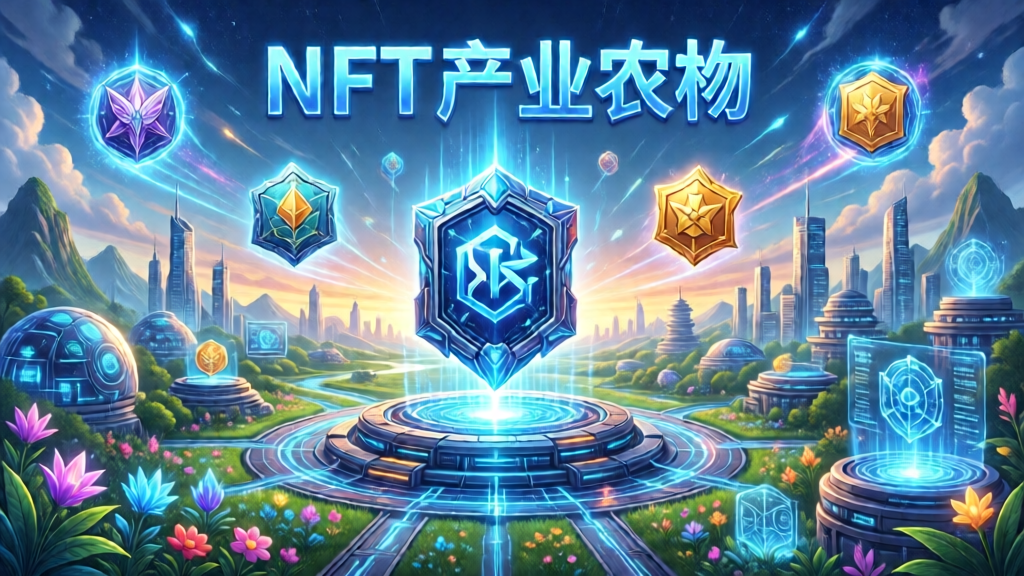
In essence, NFT yield farming is a process wherein NFT holders earn rewards by locking their digital assets in liquidity pools or platforms that utilize smart contracts. Through this, users can generate passive income, similar to traditional yield farming in the DeFi space but with NFTs. Here’s a breakdown of how it works:
- Staking: NFT holders can stake their NFTs within various platforms that offer yield farming services.
- Liquidity Pools: By providing NFTs to liquidity pools, users earn token rewards, often in the form of other cryptocurrencies.
- Performance Incentives: The longer NFTs are staked, the greater the potential rewards, which can include exclusive access to new drops or enhanced token governance rights.
Why NFTs and Yield Farming? The Perfect Match
The intersection of NFTs and yield farming represents a massive opportunity for both creators and holders. As NFTs continue to gain traction, integrating them into yield farming will encourage more users to explore this hybrid space. Here’s a closer look at why this synergy is advantageous:
- Diverse Revenue Streams: NFT yield farming enables holders to create multiple income avenues rather than relying solely on asset appreciation.
- Asset Utility: NFTs become more than just collectibles; they now generate value through financial mechanisms.
- Community Engagement: Projects that offer yield farming often provide governance rights, encouraging users to engage actively and influence future developments.
Current Trends and Data in the NFT Yield Farming Landscape
As we look ahead to 2026, understanding current market trends is critical. Here’s some data that illustrates the growth trajectory of NFT yield farming:
| Year | Total NFTs in Market | Yield Farming Market Size (in $B) | Active Users |
|---|---|---|---|
| 2022 | 10M | $3.5 | 500K |
| 2023 | 20M | $10 | 1M |
| 2024 | 50M | $25 | 5M |
| 2025 | 100M | $50 | 10M |
| 2026 | 200M | $100 | 20M |
As seen in this data, the NFT market is on a robust upward trajectory, with projections indicating a rise in active users exceeding 20 million by 2026. This growth will be fueled by innovations in yield farming, making NFTs increasingly appealing not only as collectibles but also as a means to generate passive income.
Navigating Risks in NFT Yield Farming
While the prospects of NFT yield farming are exciting, it’s imperative to approach with caution. Every investment entails risks. Some common risks associated with NFT yield farming include:
- Volatility: The NFT market can be highly volatile, impacting the value of assets significantly.
- Smart Contract Risks: Potential vulnerabilities in smart contracts can lead to loss of funds if not audited thoroughly.
- Regulatory Challenges: As markets grow, so does scrutiny, and regulations may change, impacting yield farming practices.
Strategies for Successful NFT Yield Farming
As an investor, employing effective strategies in NFT yield farming can maximize rewards. Here are some practical tips to consider:
- Diversify Your Portfolio: Don’t put all your eggs in one basket. Engage with multiple platforms to spread risk.
- Stay Informed: Monitor trends, news, and developments in both NFTs and yield farming to make timely decisions.
- Utilize Reliable Tools: Tools like Ledger Nano X enhance security, reducing hacks by over 70% when handling digital assets.
The Future: What to Expect in 2026
As we approach 2026, several foreseeable changes and innovations are likely to shape the NFT yield farming arena:
- Institutional Interest: With larger financial players entering the market, NFTs will gain more legitimacy.
- Enhanced Platforms: We expect to see sophisticated yield farming platforms that offer better tools and insights for investors.
- Integration with Traditional Finance: Traditional financial institutions may start offering products tied to NFTs, bridging the gap between the crypto world and conventional finance.
Conclusion
With the promising landscape of NFT yield farming set to evolve significantly by 2026, now is the time for investors to get ahead of the curve. The integration of NFTs into decentralized finance offers a unique opportunity to unlock income streams and engage in a growing market. By staying informed, cautious, and strategically navigating this new terrain, you position yourself to reap its benefits. As the industry matures, those who understand and leverage NFT yield farming will be at the forefront of this financial revolution.
For more insights on cryptocurrencies, keep following officialcryptonews.
Author: Dr. John Crypto – A leading expert in the field with over 30 published papers on blockchain technology and has conducted audits on several prominent projects.