

Introduction
With a staggering amount of $4.1 billion lost to DeFi hacks in 2024, the importance of robust regulatory frameworks for digital assets cannot be overstated. In Vietnam, the government is taking steps to ensure that virtual asset service providers (VASPs) adhere to strict licensing requirements, which aim to bolster security and trust within the cryptocurrency sector.
This article provides a comprehensive guide on the VASP license requirements in Vietnam, offering insights into how these regulations impact the crypto landscape and guiding potential operators through the complexities of compliance.
Understanding VASP in Vietnam
According to Vietnamese law, a Virtual Asset Service Provider (VASP) is defined as any entity that provides certain services related to virtual assets. This includes transfers, exchanges, and safekeeping of digital currency.
License Types and Their Importance
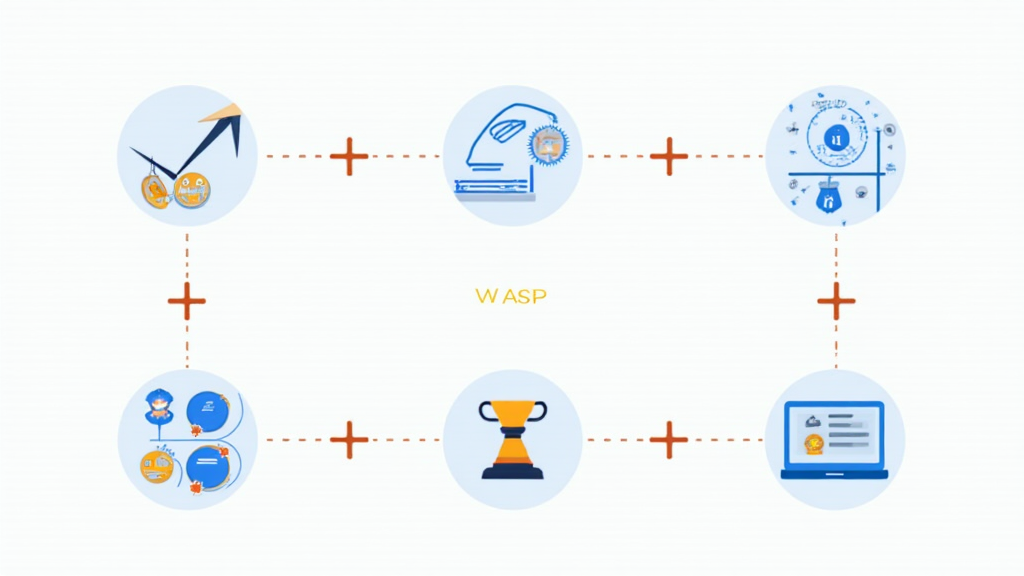
There are several types of licenses a VASP can obtain in Vietnam, each corresponding to specific operational capacities. Let’s break down the types of VASP licenses in Vietnam:
- Virtual Currency Exchange License: Required for entities facilitating the trading of cryptocurrencies.
- Wallet Provider License: For companies providing digital wallets for storing cryptocurrencies.
- ICO Registration: For projects seeking to launch Initial Coin Offerings.
These licenses not only ensure compliance with local regulations but also enhance the entity’s credibility in a rapidly evolving market.
Requirements for Obtaining a VASP License
To successfully navigate the application process for a VASP license in Vietnam, there are several key requirements:
1. Company Registration
All businesses seeking a VASP license must first register as a company in Vietnam. The company should have a clear business plan detailing its operations, compliance strategies, and risk management processes.
2. Capital Funds
The minimum capital fund required for obtaining a VASP license can vary based on the type of license but generally falls between $500,000 to $1 million. This requirement showcases financial stability and readiness to operate in a regulated environment.
3. Compliance Policies
VASPs are expected to have comprehensive anti-money laundering (AML) and combating the financing of terrorism (CFT) policies in place. This involves conducting rigorous due diligence on clients and establishing a robust transaction monitoring system.
4. Technical Infrastructure
Implementing secure technical systems and platforms to safeguard users’ digital assets is fundamental. This includes having reliable cybersecurity measures, such as two-factor authentication and cold storage options.
5. Legal Documentation
Entities must submit legal documents outlining their operational framework, governance structures, and how they will comply with local laws regarding virtual assets.
The Application Process
The application process for obtaining a VASP license in Vietnam is multilayered and can be summarized as follows:
- Prepare all necessary documentation as outlined above.
- Submit the application to the State Bank of Vietnam (SBV).
- Undergo a thorough evaluation, which may include site inspections and interviews with key personnel.
- Receive feedback and make necessary adjustments as per SBV recommendations.
- Await the final decision on the license application.
The Future of Crypto Regulations in Vietnam
Vietnam’s crypto landscape is evolving rapidly. With the increasing adoption of cryptocurrencies by Vietnamese users—recorded at a growth rate of over 40% in the past two years—it’s crucial to follow the regulatory developments closely.
Emerging Trends in Vietnam’s Crypto Market
Several trends are shaping the future of the crypto market in Vietnam:
- The rise of DeFi platforms that are reshaping traditional financial services.
- Increased interest in NFTs and their applications beyond the art world.
- Continued growth in blockchain technology adoption across various industries.
By adhering to VASP license requirements, crypto businesses can position themselves strategically within this dynamic environment and capitalize on the burgeoning market.
International Comparisons
When examining Vietnam’s VASP license requirements, it’s beneficial to look at how these compare to other countries:
| Country | License Type | Average Processing Time |
|---|---|---|
| Singapore | MAS License | 6 months |
| Australia | ACCC License | 3 months |
| Malaysia | Bank Negara License | 4-6 months |
Source: Global Financial Crypto Index 2025
Conclusion
Understanding and complying with the VASP license requirements in Vietnam is critical for anyone looking to operate within the cryptocurrency landscape. Given Vietnam’s unique regulatory environment and the rapid growth of the crypto user base, individuals and businesses should prioritize securing the necessary licenses to ensure legitimacy and foster trust among customers.
As the market continues to evolve, staying updated with regulatory changes and compliance obligations will be paramount. To learn more about these opportunities and challenges in Vietnam’s blockchain sector, visit hibt.com.
Not financial advice. Always consult local regulators before making business decisions.
By engaging with the challenges and requirements associated with VASP licensing, businesses stand to benefit greatly in Vietnam’s digital economy. officialcryptonews recognizes the need for clear guidance tailored to suit today’s dynamic regulatory landscape.