

Crypto Scams in Vietnam: Navigating the Risks
In recent years, the rise of cryptocurrency has transformed the financial landscape globally. Yet, with great opportunity comes significant risk. With over $4.1 billion lost to various crypto scams, it’s crucial for investors in Vietnam to navigate these murky waters carefully. As the local cryptocurrency market expands, understanding and identifying potential scams is vital for safeguarding your investments.
The Current State of the Vietnamese Crypto Market
Vietnam has seen a rapid increase in cryptocurrency adoption, driven by a tech-savvy population and a burgeoning interest in decentralized finance (DeFi). According to recent data, the number of Vietnamese crypto users increased by approximately 42% in 2023, making Vietnam one of the fastest-growing crypto markets in Southeast Asia.
However, this rapid growth has inadvertently opened doors for various scams targeting both new and seasoned investors. From Ponzi schemes to phishing attacks, the landscape is riddled with traps ready to ensnare the unsuspecting.
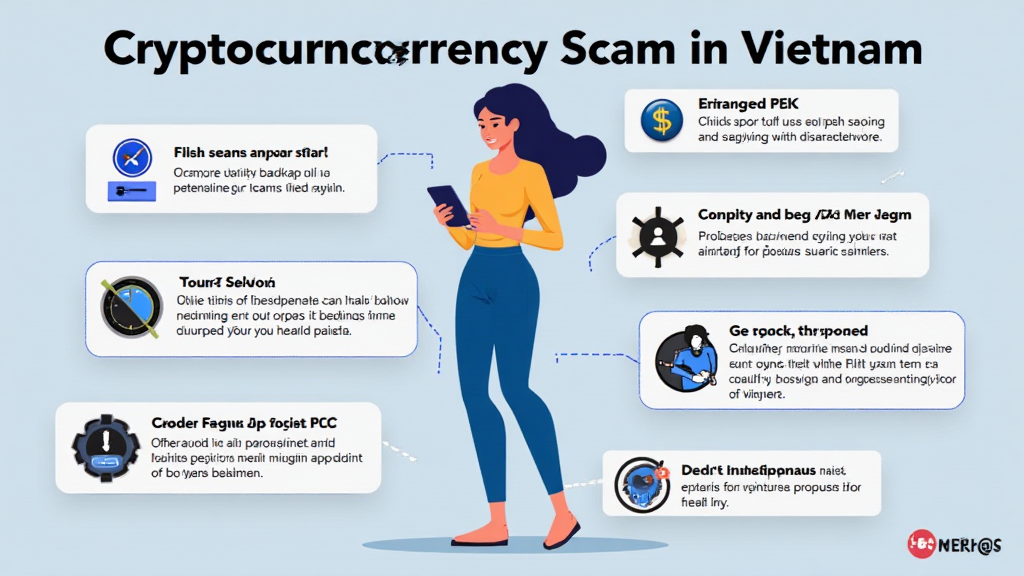
Types of Crypto Scams in Vietnam
- Phishing Attacks: Scammers impersonate legitimate exchanges or cryptocurrency wallets to steal sensitive information.
- Ponzi Schemes: These scams promise high returns with little risk, luring investors until the scam collapses.
- Fake ICOs: Initial Coin Offerings that do not exist and collect funds from investors, disappearing once they reach a target.
- Rug Pulls: Developers abandon a project after raising funds, leaving investors with worthless tokens.
Common Red Flags to Spot Scams
Identifying scams in the crypto sphere requires vigilance and knowledge. Here are some common red flags that can help you avoid falling victim:
- Unrealistic Returns: Be wary of schemes promising unusually high returns with little risk.
- Pressure Tactics: Scammers often pressure victims into making quick decisions without thorough evaluation.
- Lack of Transparency: Reputable projects should always provide access to their team and clear documentation.
- Too Good to Be True: If it appears too good to be true, it probably is. Always conduct thorough research.
How to Protect Yourself from Crypto Scams
Knowledge is power when it comes to protecting yourself from scams. Follow these guidelines to safeguard your crypto investments:
- Research: Always conduct due diligence before investing in any cryptocurrency project.
- Use Two-Factor Authentication: Enable 2FA on exchanges and wallets to add an extra layer of security.
- Diversify Investments: Don’t put all your financial eggs in one basket; spread investments across various assets.
- Consult Experts: Seek advice from trusted sources or industry professionals when in doubt.
Local Resources for Reporting Scams
If you suspect a scam, it’s essential to report it promptly. Here are some resources available in Vietnam for reporting crypto-related scams:
- Vietnam Cybercrime Unit: Contact the local cybercrime unit for assistance.
- National Consumer Protection Association: Reach out for support related to consumer issues, including scams.
- Social Media Groups: Join local crypto communities to share experiences and warn others about scams.
Conclusion
As the cryptocurrency landscape continues to evolve, so does the prevalence of scams. While the potential for gains in crypto is significant, so too is the risk. By understanding the types of scams prevalent in Vietnam and adopting protective measures, you can significantly reduce your risk of being a victim. Remember to stay informed, vigilant, and proactive in your investment approach.
With the Vietnamese market projected to grow further, staying aware of the trends and potential scams will be key to navigating this exciting yet risky digital landscape. For more insights and updates regarding the crypto sphere, visit officialcryptonews.